
Nano Banana 2 vs Nano Banana 2 Lite: When Is Lite Enough?
Nano Banana 2 vs Nano Banana 2 Lite, tested on the same 5 prompts: where Lite's speed and flat $0.042 price win, and where the full model earns its cost.

Google shipped a Lite version of Nano Banana 2, and the first question every founder on my team asked was the obvious one: can we just use the cheap one for everything? At a flat $0.042 per image and roughly four-second generations, Nano Banana 2 Lite is tempting to make the default. But the full Nano Banana 2 still sits right next to it in the catalog at a higher price, so somebody is paying for that gap. I wanted to know exactly what that money buys.
So I ran the same five prompts through both models on Segmind: a product shot, a YouTube thumbnail, multilingual shop signage, a marketing poster, and a cinematic editorial scene. Same wording, same aspect ratios, back to back. This post is the full nano banana 2 vs nano banana 2 lite breakdown, with the real outputs, real generation times, and real per-image costs from my run, so you can decide when Lite is enough and when the full model earns its price.
Nano Banana 2 vs Nano Banana 2 Lite: the two models at a glance
Both models are Google's Gemini-family image generators, and both are image-to-image capable, so you can feed reference images or run pure text-to-image. The difference is not the underlying family, it is the ceiling. Nano Banana 2 Lite is tuned to be fast and cheap at a single quality tier. The full Nano Banana 2 keeps the resolution ladder, live web context, and a bit more compositional headroom.
| Nano Banana 2 Lite | Nano Banana 2 | |
|---|---|---|
| Price | Flat $0.042 / image | $0.06 to $0.175 by resolution |
| Resolution | 1K only | 512px, 1K, 2K, 4K |
| Speed (my run) | ~3.5s per image | ~12s at 1K, ~18s at 2K |
| Live web context | No | Yes (web_search, +$0.015) |
| Default thinking level | high | minimal |
| Best for | Volume, drafts, social, e-commerce | Print, hero assets, 4K, web-grounded |
Speed and price: the core tradeoff
The numbers were consistent across my whole run. Nano Banana 2 Lite returned every image in about 3.5 seconds and charged a flat $0.042 each, no matter the prompt or aspect ratio. The full Nano Banana 2 took roughly 12 seconds at 1K and closer to 18 to 20 seconds at 2K, and it charged $0.08 at 1K, $0.12 at 2K, and $0.16 at 4K. In other words, at matched 1K resolution, Lite is about three times faster and roughly half the price.
That gap compounds fast at volume. If you are generating 5,000 images a month, Lite costs $210 and the full model at 1K costs $400. The interesting question is not which is cheaper, it is whether the cheaper one is good enough for the job in front of you. So I looked at the actual pixels.
Use case 1: bulk e-commerce product shots
Marketing teams and e-commerce sellers live on clean product photography at scale: hundreds of catalog shots, all consistent, all on white or neutral backgrounds. This is the highest-volume, lowest-drama job an image model does, and it is exactly where a flat cheap rate matters most.
Parameters aspect_ratio: 1:1 | output_resolution: 1K | output_format: jpg
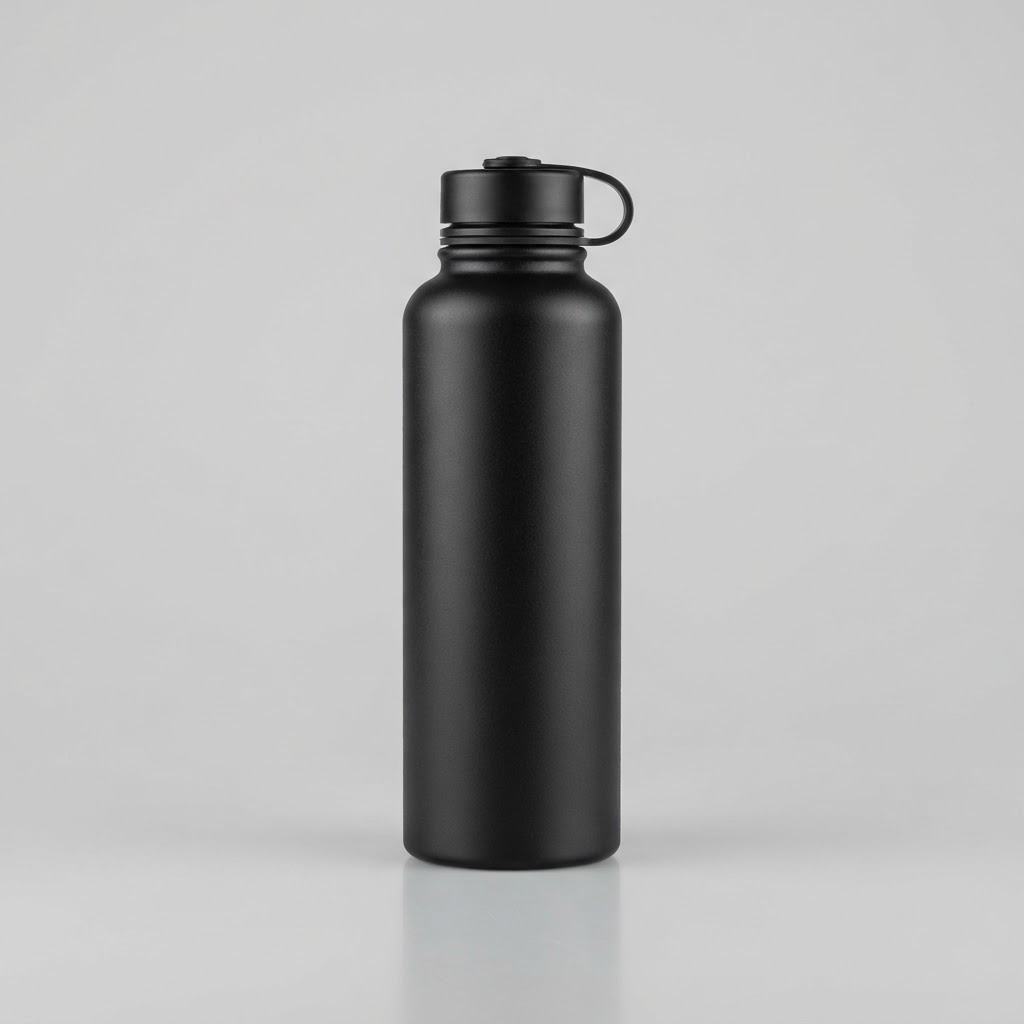
Nano Banana 2 Lite · 1K · $0.042
Nano Banana 2 · 1K · $0.08
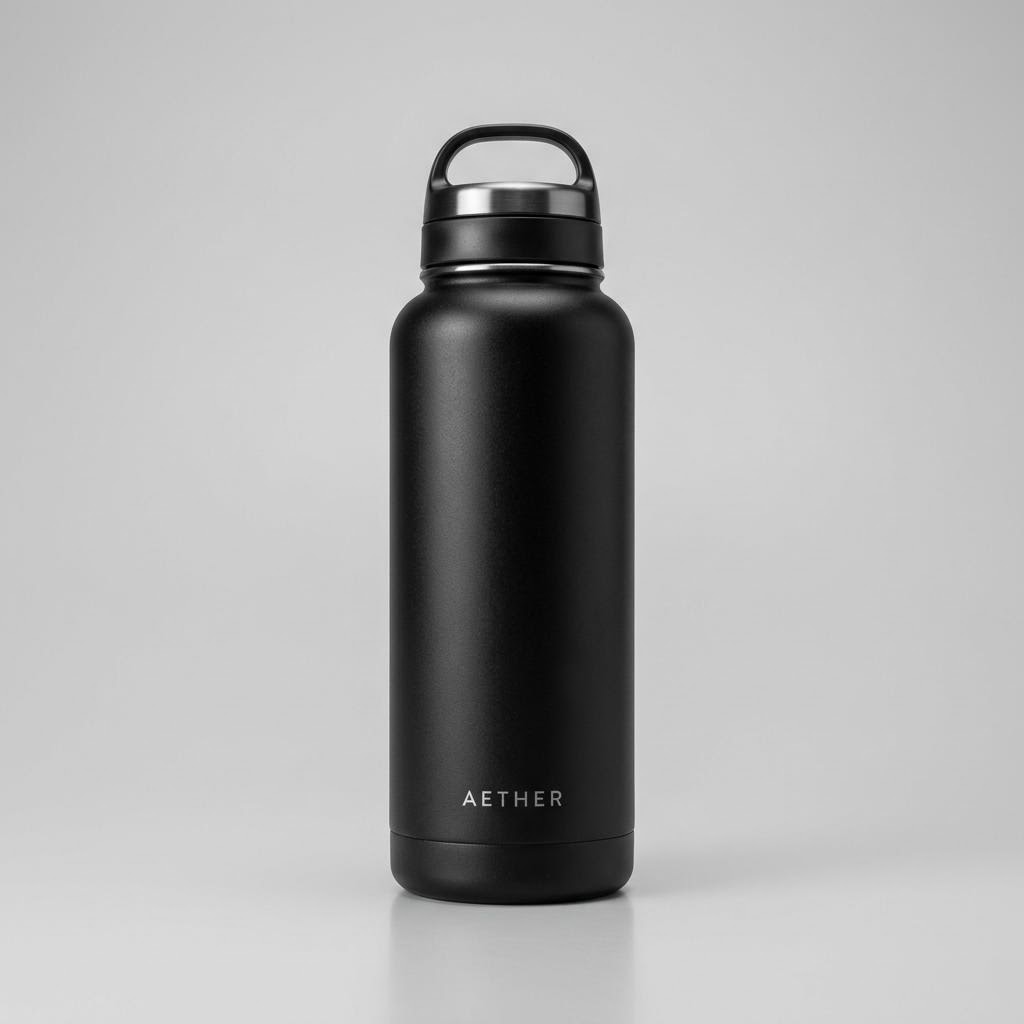
Same prompt, same 1:1 frame. Both are catalog-ready; the full model adds a subtle engraved brand mark and slightly richer lid materials.
Honestly, this is the clearest win for Lite in the whole test. Both images are clean, evenly lit, and drop straight into a product page. The full model rendered a touch more material realism on the cap and added a faint engraved brand name, but for a catalog grid where every product needs the same neutral treatment, I would not pay double for that. If your pipeline is bulk product imagery, Lite is not just enough, it is the smarter default.
Use case 2: YouTube thumbnails for production houses and MCNs
Multi-channel networks and production houses churn out thumbnails by the hundred. The winning thumbnail is often decided by A/B testing, so the real requirement is volume: generate ten variants fast, ship the one that clicks. Legible on-image text is the make-or-break feature here.
Parameters aspect_ratio: 16:9 | output_resolution: 1K | output_format: jpg
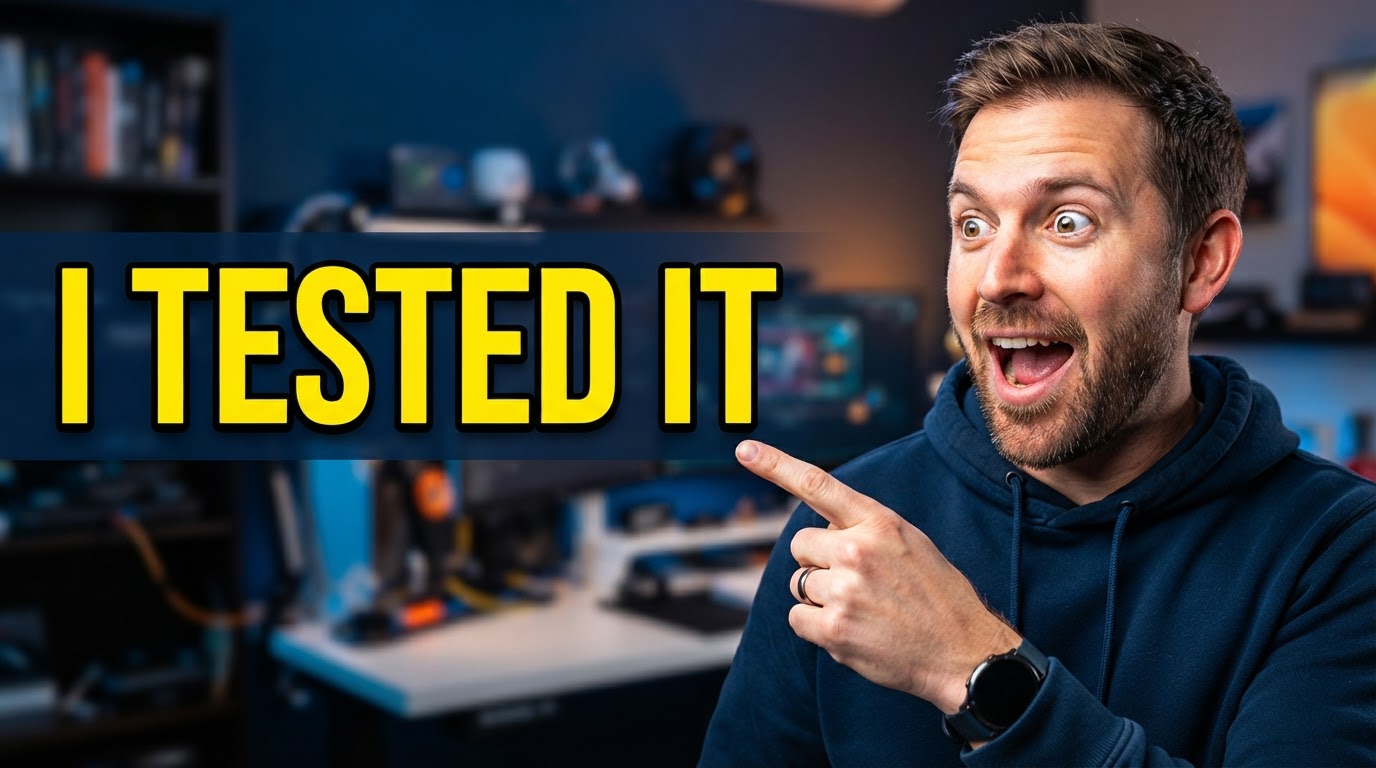
Nano Banana 2 Lite · 1K · $0.042
Nano Banana 2 · 1K · $0.08
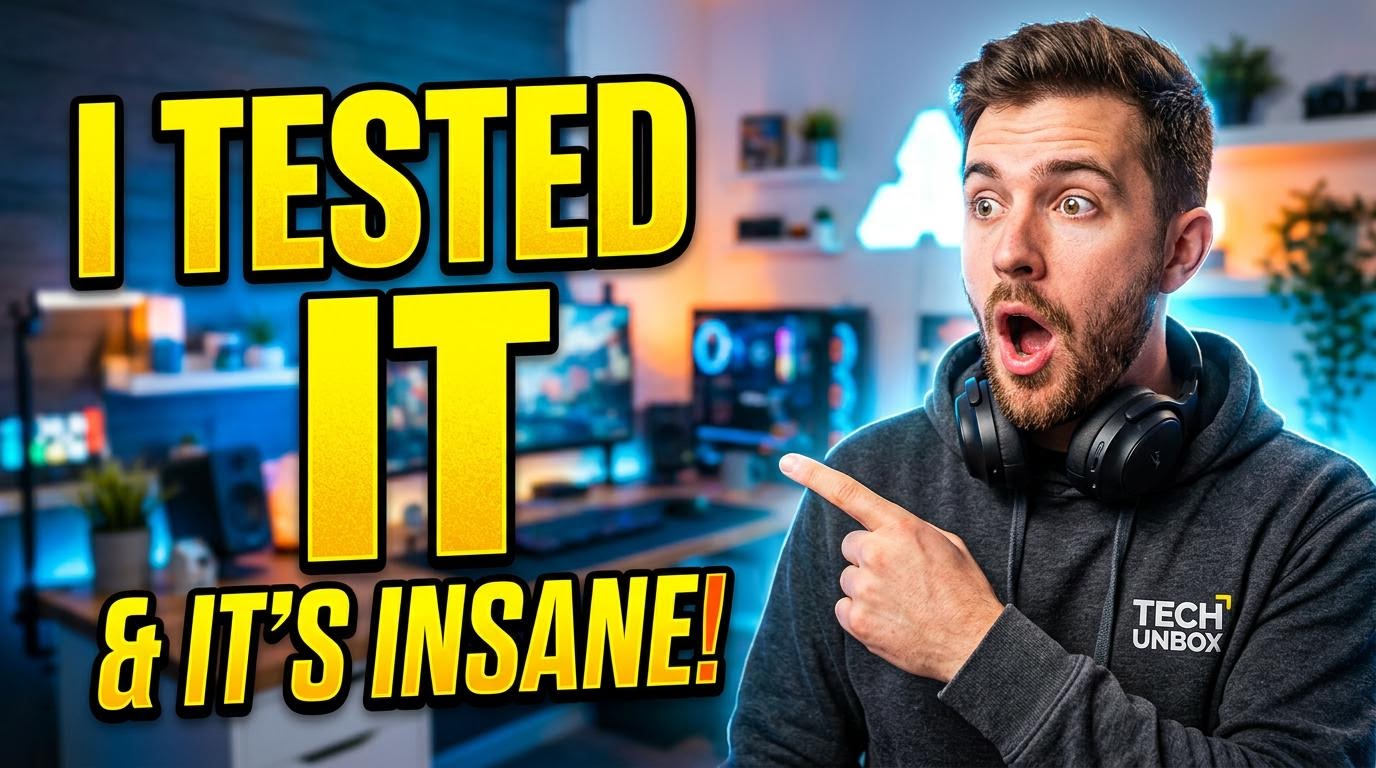
Both nailed the 'I TESTED IT' text. The full model art-directed further, adding an outlined headline, a second line, and a branded hoodie the prompt never asked for.
Both models spelled the headline correctly and left space for the face, which is the part cheaper models usually botch. The difference was interpretation. Lite gave me a clean, literal read of the brief. The full model went further into thumbnail language on its own: a chunky outlined headline, an extra "and it's insane" line, saturated rim lighting, even an invented channel logo on the hoodie. For a scroll-stopping hero thumbnail that punch is welcome. For generating ten quick variants to test, Lite's literal output is easier to control and three times faster to iterate on.
Use case 3: multilingual signage and packaging text
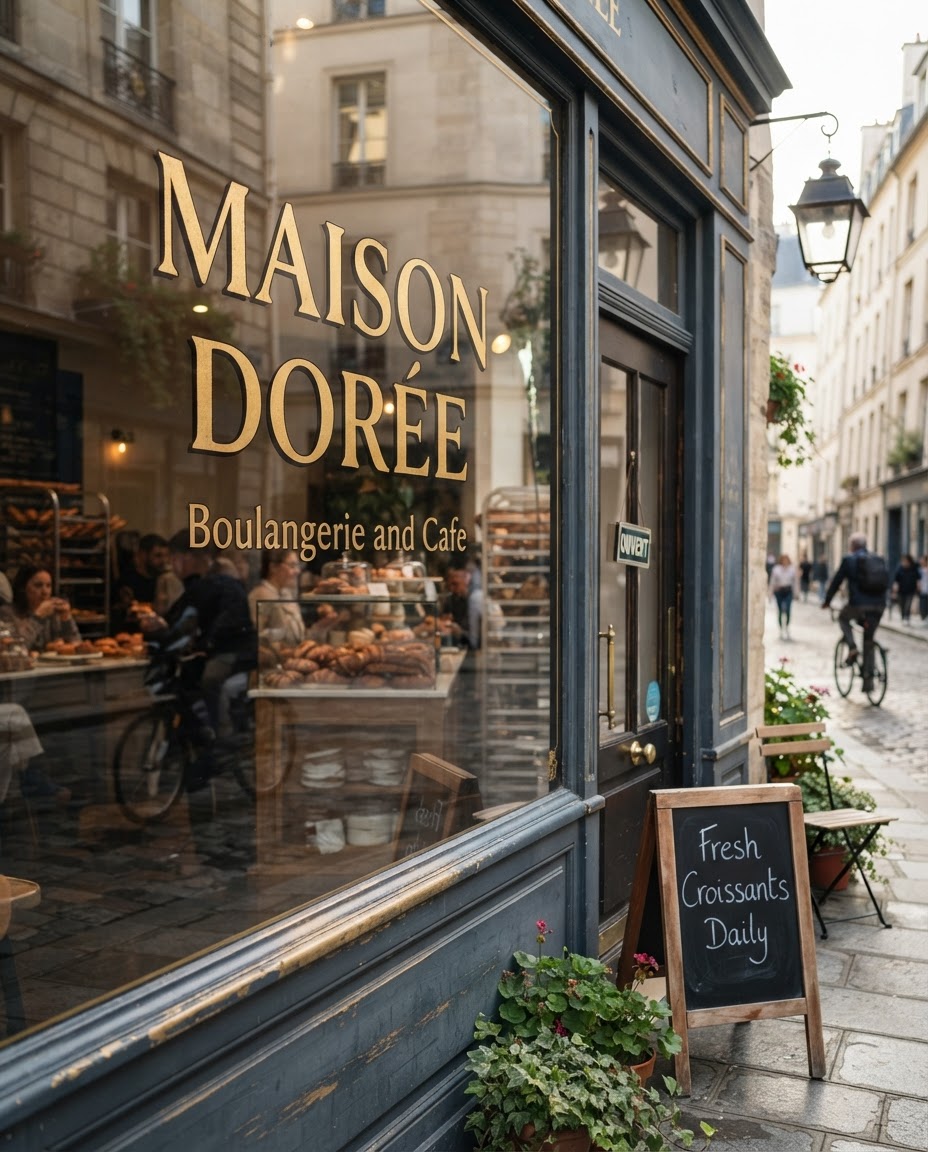
This is the test I expected Lite to lose. Accurate small text, accents, and multiple languages in one frame are historically where cheap image models fall apart. It matters for packaging mockups, storefront visuals, and any brand asset that carries real copy.
Parameters aspect_ratio: 4:5 | output_resolution: 1K | output_format: jpg
Nano Banana 2 Lite · 1K · $0.042
Nano Banana 2 · 1K · $0.08
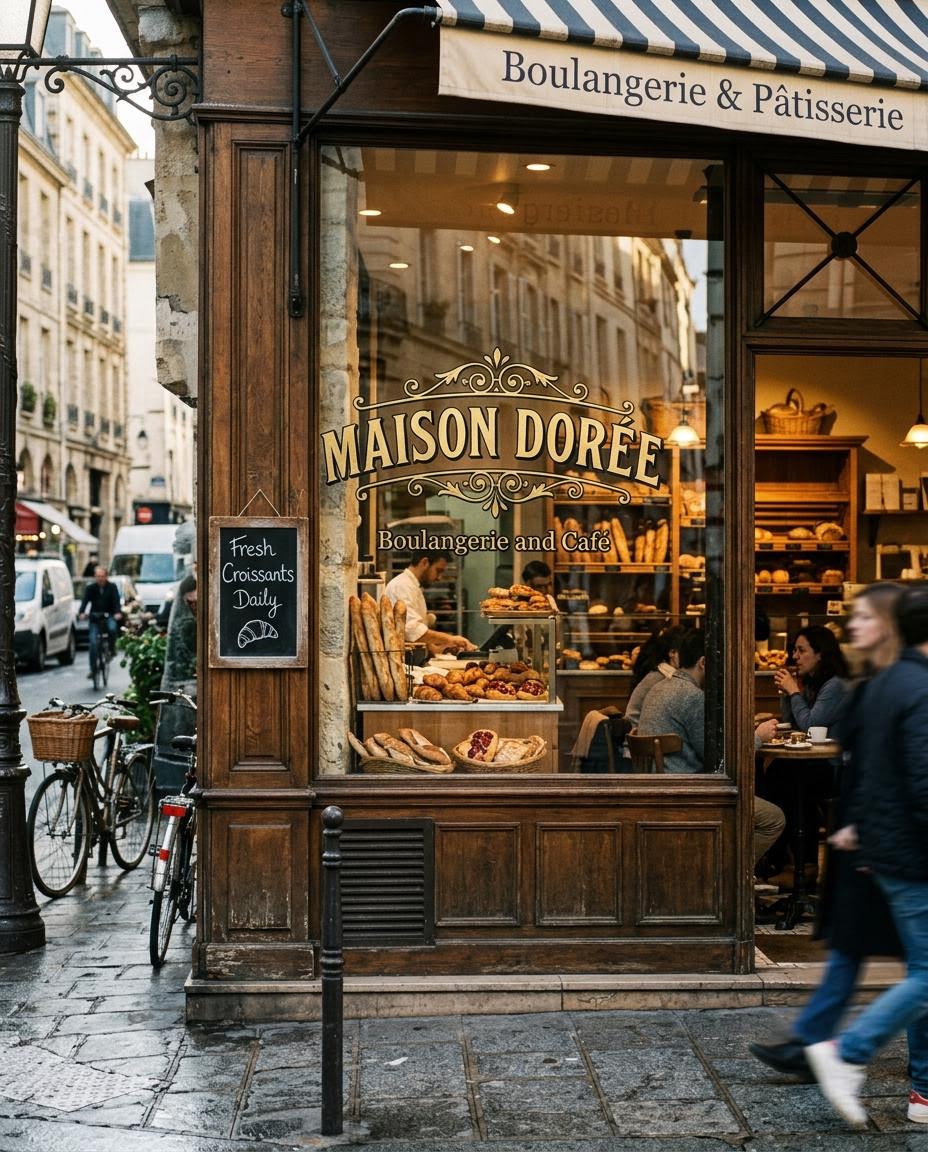
Both rendered the accented 'MAISON DOREE' and the 'Fresh Croissants Daily' chalkboard cleanly. The full model built a deeper, more layered street scene around it.
Lite genuinely surprised me. It rendered the accented capital in "MAISON DOREE", kept the secondary line legible, and got the chalkboard text right, all at 1K in 3.5 seconds. The full model was not dramatically more accurate on the text itself; where it pulled ahead was the world around the sign, a richer awning, real depth down the street, more convincing glass reflections. If you only need the copy to read correctly on a packaging mockup, Lite handles it. If the signage is the hero of a full environmental scene, the extra scene-building from the full model starts to matter.
Use case 4: marketing poster typography
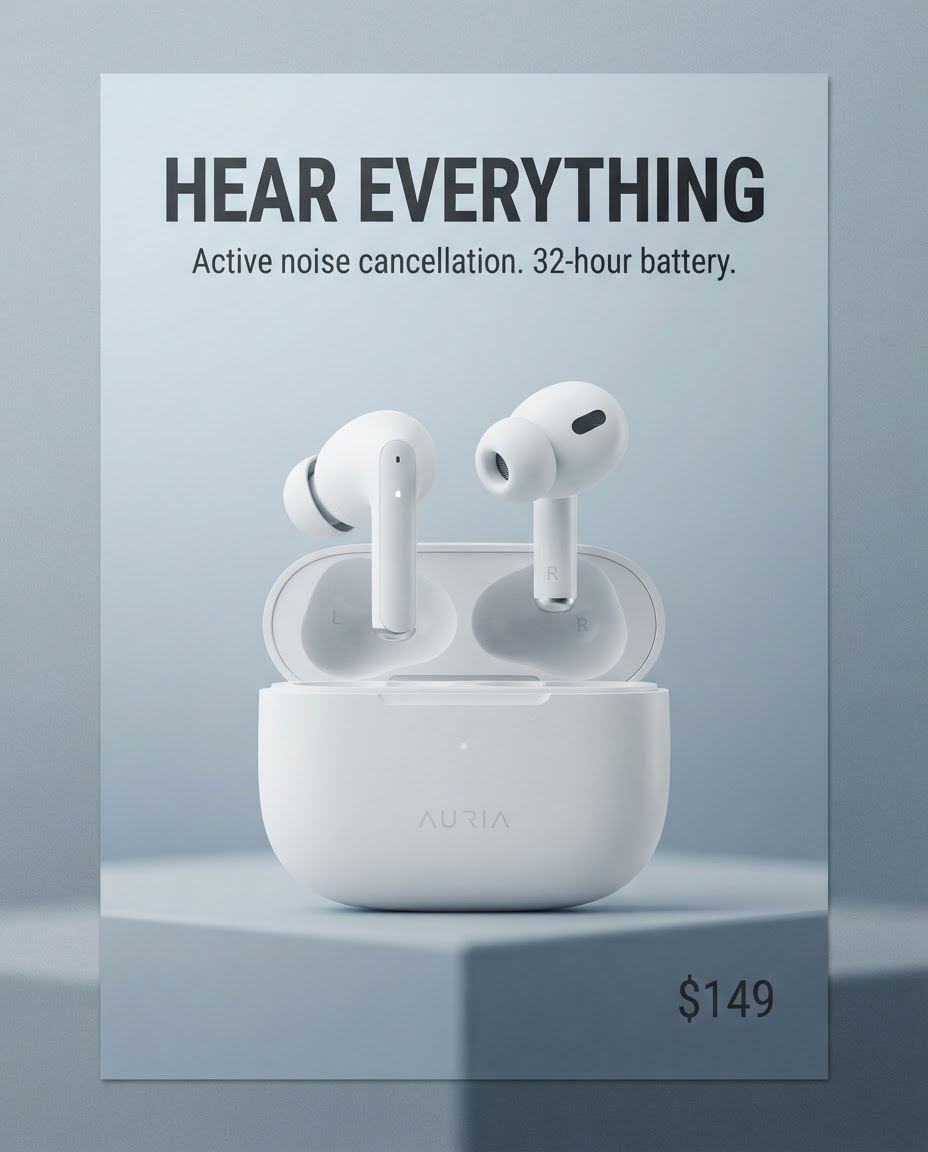
Agencies need posters where a headline, a subheadline, and a price all coexist in one clean layout. Multiple text sizes in a single frame is a harder ask than one big word.
Parameters aspect_ratio: 4:5 | output_resolution: 1K | output_format: jpg
Nano Banana 2 Lite · 1K · $0.042
Nano Banana 2 · 1K · $0.08
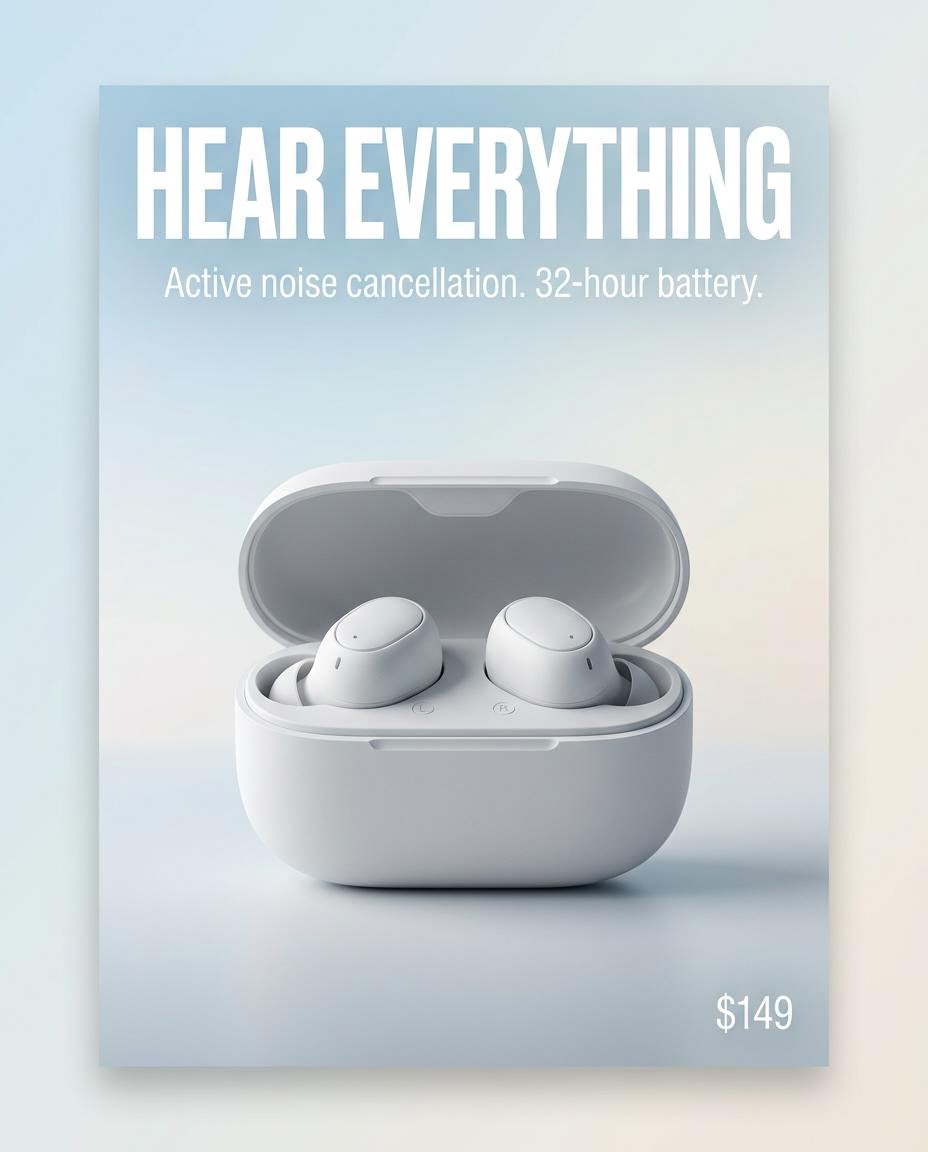
Both hit all three text tiers: headline, subheadline, and the $149 price. Lite slipped a slightly garbled brand mark onto the case; the full model kept the product clean.
Both posters are usable as-is. Every requested piece of text rendered correctly on both, including the small "$149" in the corner, which is the kind of detail that trips models up. The one place Lite showed its price was an incidental brand name it invented on the earbud case, which came out slightly garbled. The full model kept the product surface clean. For a first-round concept you send to a client, Lite is fine. For the final print file, the extra reliability on incidental marks is worth the upgrade.
Use case 5: cinematic editorial for film and studios
Film studios and content teams use these models for mood boards, pre-visualization, and editorial stills. Here the bar is atmosphere: lighting, depth, and the intangible sense that a real camera was in the room.
Parameters aspect_ratio: 3:2 | output_resolution: 1K | output_format: jpg
Nano Banana 2 Lite · 1K · $0.042

Nano Banana 2 · 1K · $0.08

Near parity at 1K. Both produced accurate Japanese neon signage and convincing wet-pavement reflections; the full model's depth and subject integration are marginally more refined.
This was the closest test of the five. Both models produced genuinely cinematic frames with accurate Japanese neon signage, believable rain, and proper shallow depth of field. Looking closely, the full model handled the reflections and the way the subject sits inside the scene a touch more convincingly, but at 1K on a screen the gap is small. For mood boards and internal previs, Lite is more than enough. The moment you need to blow this up for a pitch deck or crop in tight, resolution becomes the deciding factor, which brings me to the real reason to reach for the full model.
Where the full Nano Banana 2 earns its price
After five head-to-heads at 1K, the quality gap was smaller than I expected. The full model's advantage is less about beating Lite pixel-for-pixel at the same size and more about the things Lite simply cannot do. First, resolution. The full model runs at 2K and 4K, which is non-negotiable for print, large-format, or any workflow where you crop in hard. Here is the same bakery prompt at 2K, where the finer signage detail and texture hold up far better under a zoom.
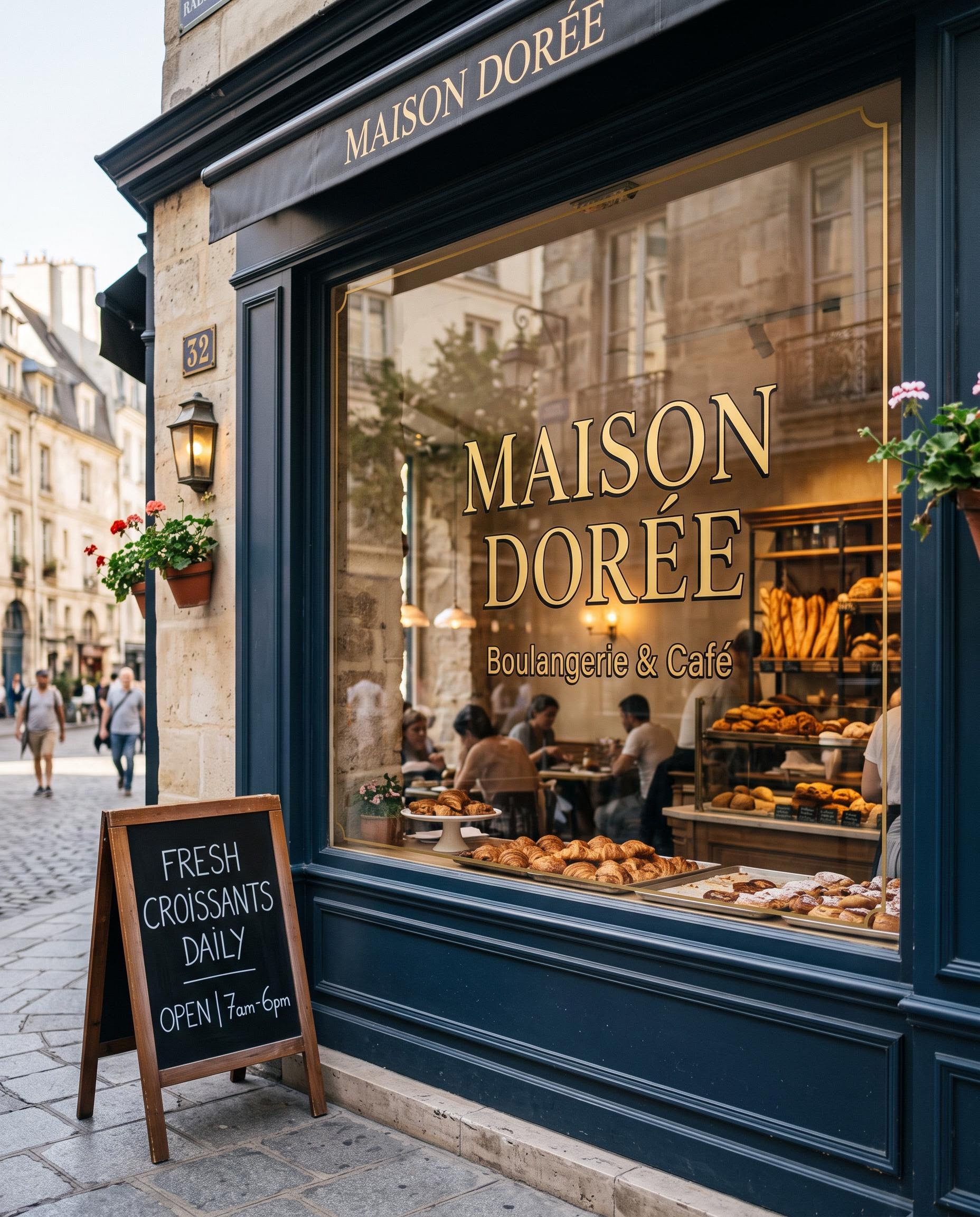
Nano Banana 2 at 2K. Four times the pixels of the 1K comparison, which is what you want for print or heavy cropping. Lite tops out at 1K.
Second, live web context. The full model exposes a web_search parameter that grounds a generation in current information for a small surcharge, useful when a visual needs to reflect something real and recent. Lite has no equivalent. Third, that last slice of compositional polish and reliability on incidental details, which showed up as cleaner product surfaces and richer environmental depth across my tests. None of those are reasons to abandon Lite. They are reasons to keep the full Nano Banana 2 in your toolbox for the jobs that need it.
How pricing works
Nano Banana 2 Lite is refreshingly simple: one flat rate, every image, every prompt. The full model prices by output resolution, with a small add-on if you enable live web search. All figures below are the current published Segmind rates.
| Model / setting | Web search | Cost / image |
|---|---|---|
| Nano Banana 2 Lite (1K) | n/a | $0.042 |
| Nano Banana 2 · 512px | off / on | $0.06 / $0.075 |
| Nano Banana 2 · 1K | off / on | $0.08 / $0.095 |
| Nano Banana 2 · 2K | off / on | $0.12 / $0.135 |
| Nano Banana 2 · 4K | off / on | $0.16 / $0.175 |
A worked example: an e-commerce team producing 3,000 catalog images a month spends about $126 on Lite. The same volume on the full model at 1K is $240, and at 2K it is $360. Unless those product shots are going to print at large size, the Lite bill is the easy call. Flip it around for a studio rendering 200 hero key-art frames a month at 4K: that is $32 on the full model, and Lite cannot produce the resolution at any price. Match the model to the deliverable, not to the invoice.
Developer integration guide
Both models share the same request shape, so switching between them is a one-line change to the endpoint slug. Here is a minimal call to Nano Banana 2 Lite:
import requests

resp = requests.post(
    "https://api.segmind.com/v1/nano-banana-2-lite",
    headers={"x-api-key": "YOUR_API_KEY"},
    json={
        "prompt": "A clean e-commerce product photo of a matte black water bottle on a soft-gray studio background",
        "aspect_ratio": "1:1",
        "output_resolution": "1K",
        "output_format": "jpg",
        "response_modalities": "IMAGE",
    },
    timeout=60,
)
open("out.jpg", "wb").write(resp.content)
To upgrade a job to the full model, point at the nano-banana-2 endpoint and add the two parameters Lite does not have, output_resolution up to 4K and web_search:
resp = requests.post(
    "https://api.segmind.com/v1/nano-banana-2",
    headers={"x-api-key": "YOUR_API_KEY"},
    json={
        "prompt": "...",
        "aspect_ratio": "1:1",
        "output_resolution": "2K",   # 512px | 1K | 2K | 4K
        "web_search": False,          # set True for live web-grounded context
        "output_format": "jpg",
        "response_modalities": "IMAGE",
    },
    timeout=90,
)
The response is raw image bytes in both cases, so there is no JSON to parse and no polling. A practical pattern: route your default traffic to Nano Banana 2 Lite and add a simple flag that escalates to the full model when a job needs 2K-plus output or web grounding.
Honest assessment: when Lite is enough
What Lite does very well: it is fast, flat-priced, and far more capable on text and multilingual copy than a budget tier has any right to be. Across product shots, thumbnails, signage, and posters it produced ship-ready results at a third of the time and half the 1K cost. Where it falls short: it is locked to 1K, has no live web context, and occasionally softens on incidental details like invented brand marks, which the full model handles more cleanly.
My rule after this test is simple. Reach for Lite by default for volume, drafts, social, and e-commerce, which is most of the work most teams do. Reach for the full model when the deliverable needs 2K or 4K, when it has to be grounded in current web information, or when it is a hero asset where the last ten percent of polish is the whole point.
Frequently asked questions
What is the difference in nano banana 2 vs nano banana 2 lite?
Nano Banana 2 Lite is a flat $0.042, 1K-only, roughly four-second variant. The full Nano Banana 2 costs $0.06 to $0.175, supports 512px to 4K, and adds a live web_search option. Same request format, different ceiling.
Is Nano Banana 2 Lite good at rendering text?
Yes, better than expected. In my tests it correctly rendered headlines, a small "$149" price, accented multilingual signage, and chalkboard copy at 1K, matching the full model on text accuracy in most cases.
When should I pay for the full Nano Banana 2 instead of Lite?
Choose the full model when you need 2K or 4K resolution for print or heavy cropping, when a visual must reflect current web information, or when a hero asset needs maximum compositional polish.
How much faster is Nano Banana 2 Lite?
In my run Lite returned images in about 3.5 seconds versus roughly 12 seconds for the full model at 1K, so about three times faster, at a flat price regardless of prompt.
Can I switch between the two models with the same code?
Almost entirely. The request body is the same shape; you change the endpoint slug and, for the full model, can add output_resolution up to 4K and a web_search flag that Lite does not support.
Which model is cheaper for high-volume image generation?
Nano Banana 2 Lite, clearly. At a flat $0.042 it is about half the full model's 1K rate and a third of its 2K rate, which adds up quickly across thousands of images.
Conclusion
After running the same five prompts through both, the answer to nano banana 2 vs nano banana 2 lite is less about a quality cliff and more about fit. Lite covers the majority of real production work, product shots, thumbnails, signage, posters, and editorial previews, at a third of the time and half the 1K cost, and it holds up on text far better than its price suggests. The full model earns its keep on resolution, live web context, and hero-asset polish. Try Nano Banana 2 Lite and Nano Banana 2 on Segmind, available via API with no setup required, and route each job to the one it actually needs.