
Seedream 5.0 Lite vs Nano Banana 2: A Text Rendering Showdown Across 7 Real-World Use Cases

Text rendering in AI image generation is notoriously one of the hardest problems to solve. Letters blur, words scramble, and even simple labels turn into typographic chaos. So which model handles real, readable words on an image better?
We put Seedream 5.0 Lite and Nano Banana 2 - both available via the Segmind API - through seven real-world text rendering scenarios that creative teams face every day. Both models received identical prompts. Here's what happened.
1. Advertising Banner
The brief: generate a promotional banner with bold headline text for a retail sale - one of the most common advertising use cases, from Google Display ads to website hero banners.
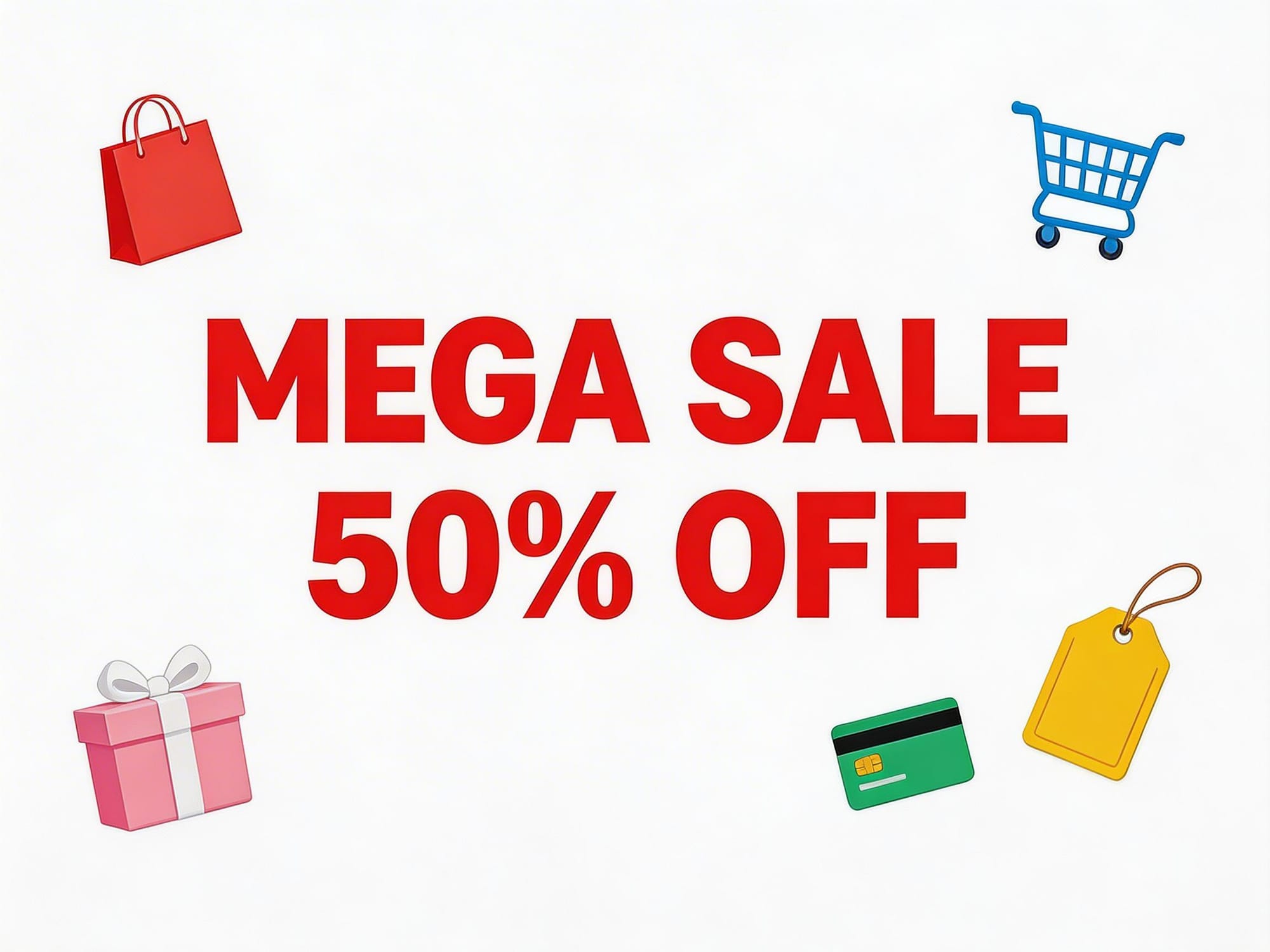
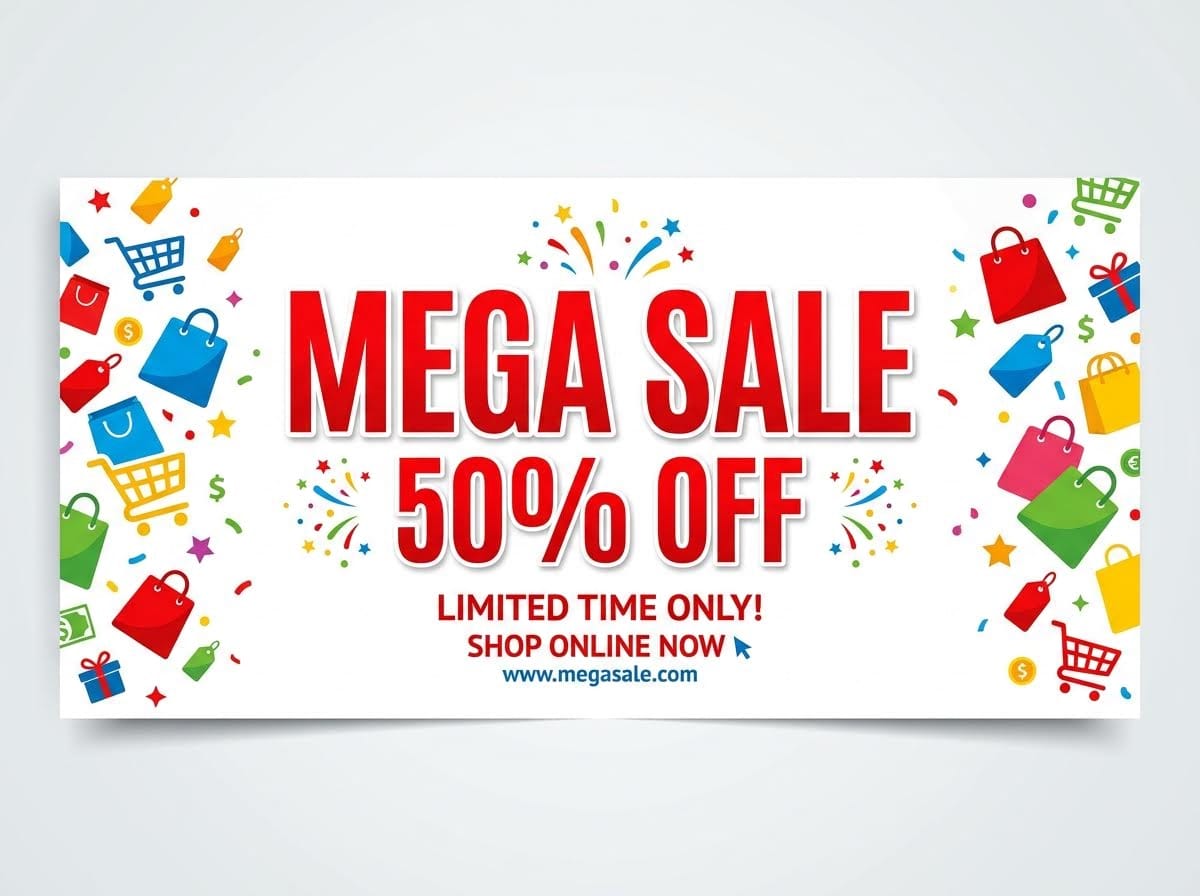
Winner: Nano Banana 2. Both models spelled 'MEGA SALE 50% OFF' perfectly. But Nano Banana 2 built a far more complete advertising asset - a full wide-format banner with a strapline ('LIMITED TIME ONLY!'), a CTA ('SHOP ONLINE NOW'), a placeholder URL, and richer icon decoration. Seedream's output is clean but underdeveloped as a banner. In a real advertising workflow, Nano Banana 2's output could ship with minimal edits.
2. Product Label / Packaging
Product photography with text is a staple of e-commerce and brand marketing. The ask: a premium coffee bag label showing brand name, origin, and weight - all accurately rendered.
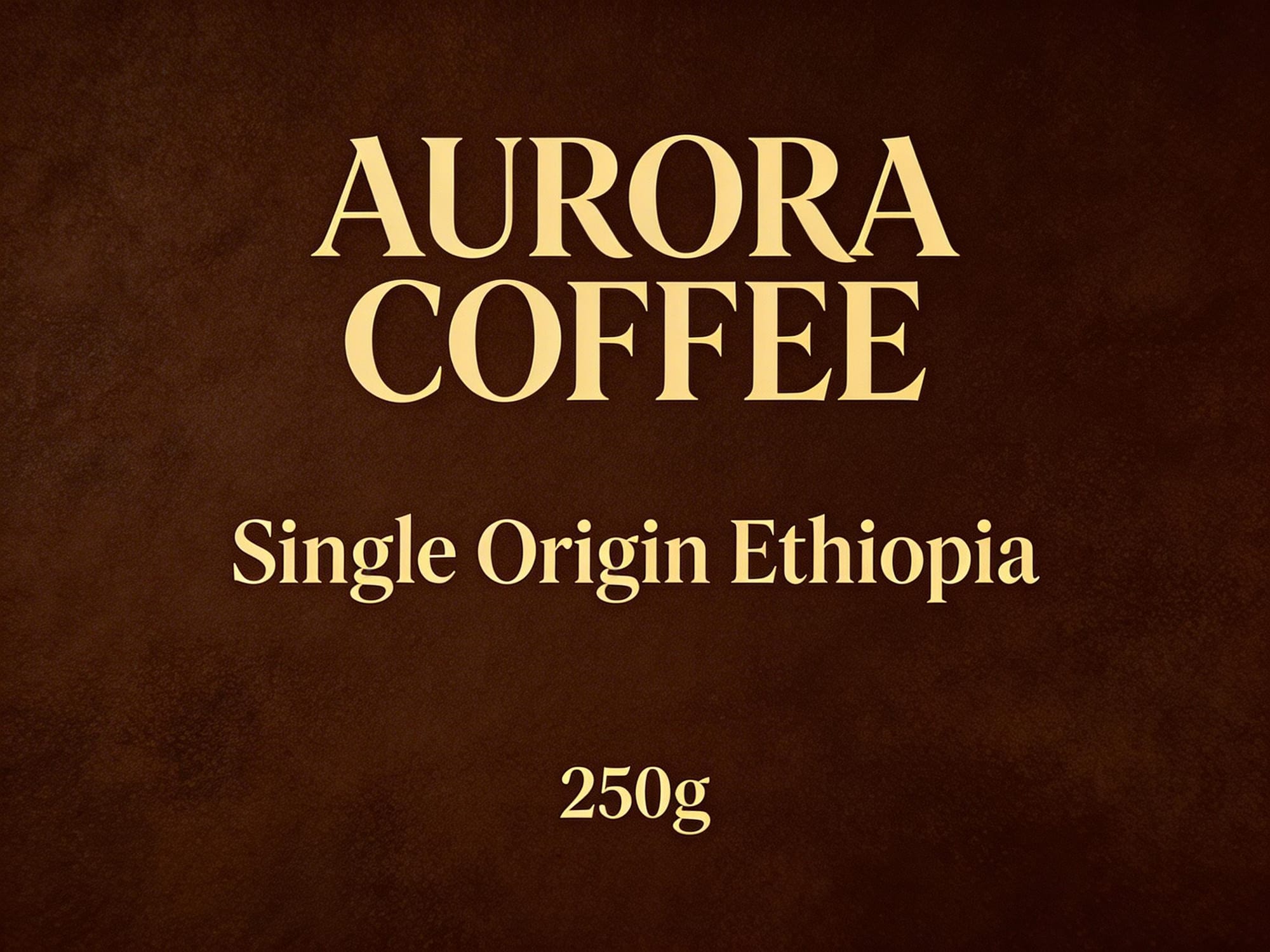
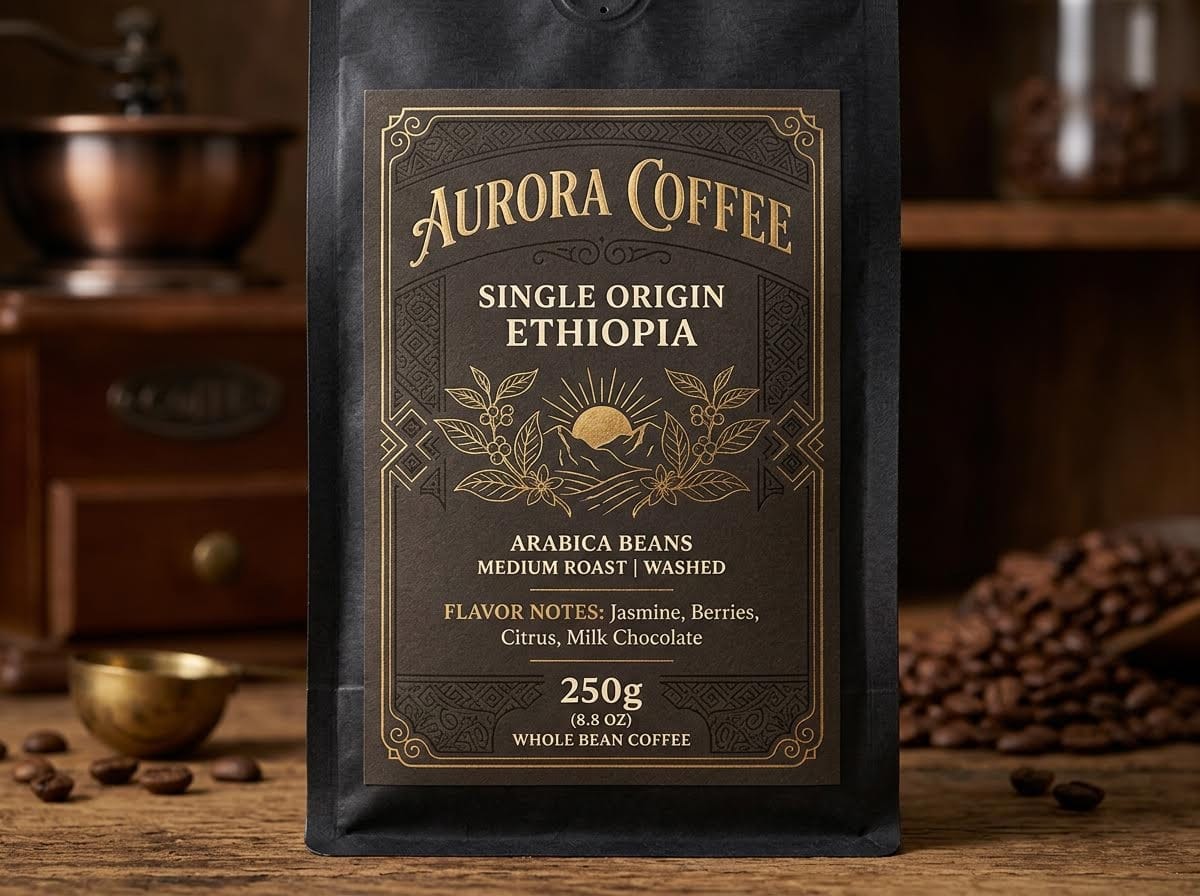
Winner: Nano Banana 2. Seedream correctly rendered the text (AURORA COFFEE / Single Origin Ethiopia / 250g) in elegant gold-on-dark - but produced a flat label graphic with no product context. Nano Banana 2 generated a full photorealistic coffee bag shot with an elaborate label, decorative border, additional product specs (Arabica Beans, Medium Roast, Flavor Notes), and a styled backdrop with coffee beans and grinder. For product photography, this isn't close.
3. Fashion Brand Poster
High-fashion editorial imagery lives or dies by clean, confident typography integrated with the model shot. Both were asked to generate a luxury brand poster with house name and collection subtitle.
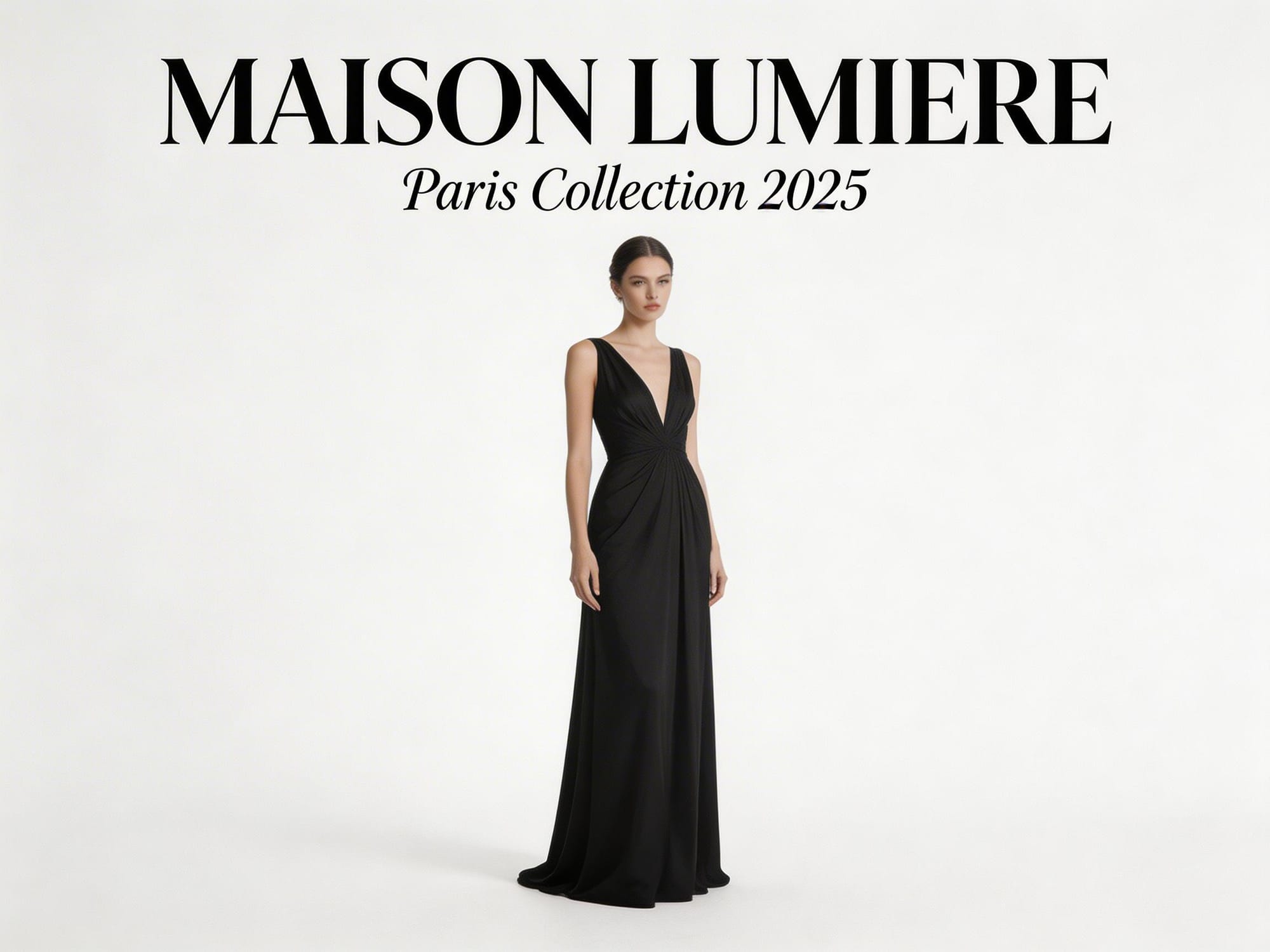
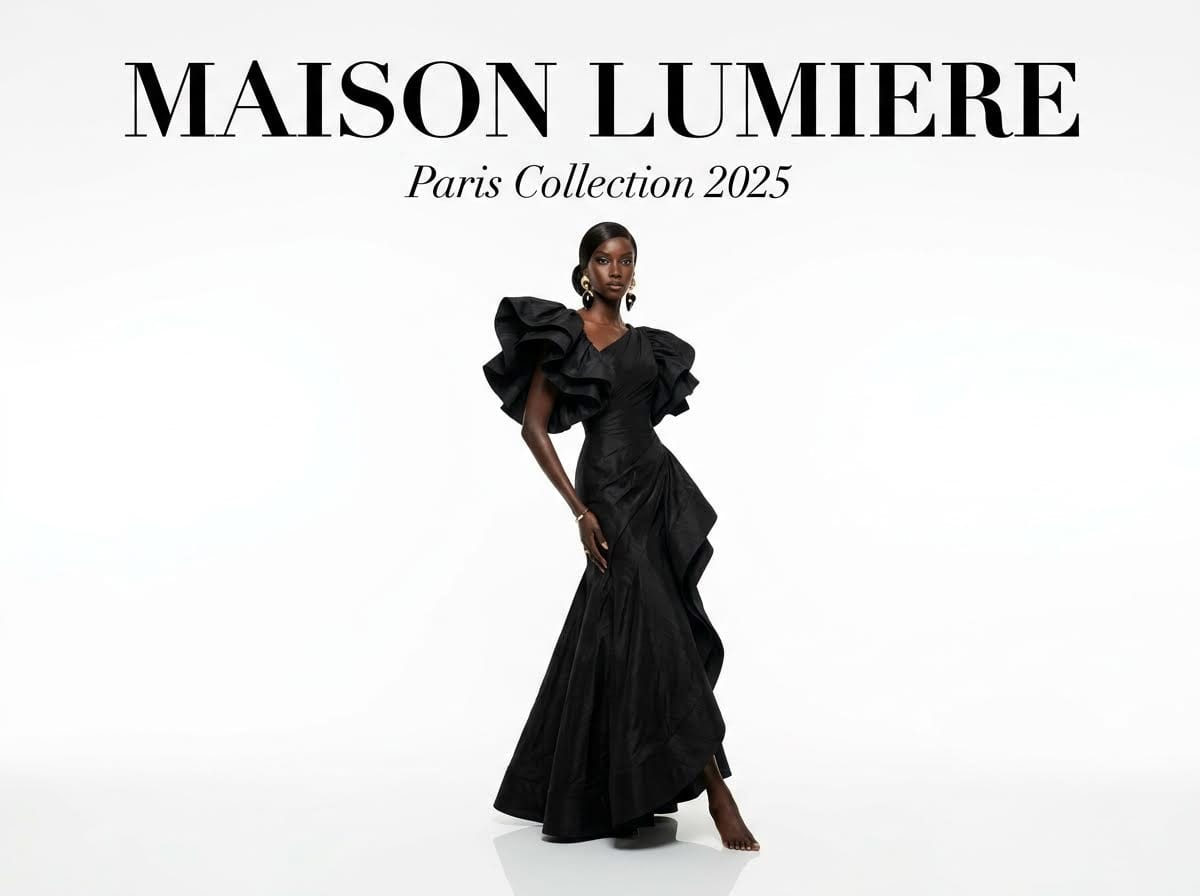
Winner: Seedream 5.0 Lite. The closest contest of the test - both images are publication-quality. But Seedream's version edges ahead: the tighter serif typography feels closer to real luxury fashion branding, and the minimalist white-space composition gives the design room to breathe. Nano Banana 2 produced a dramatic, beautiful couture editorial, but Seedream's cleaner layout takes the win on pure brand polish.
4. Event / Concert Poster
Festival posters need to deliver key information - name, date, location - in a format that's instantly legible and visually arresting. Neon-on-dark is a classic stress test for AI text rendering.
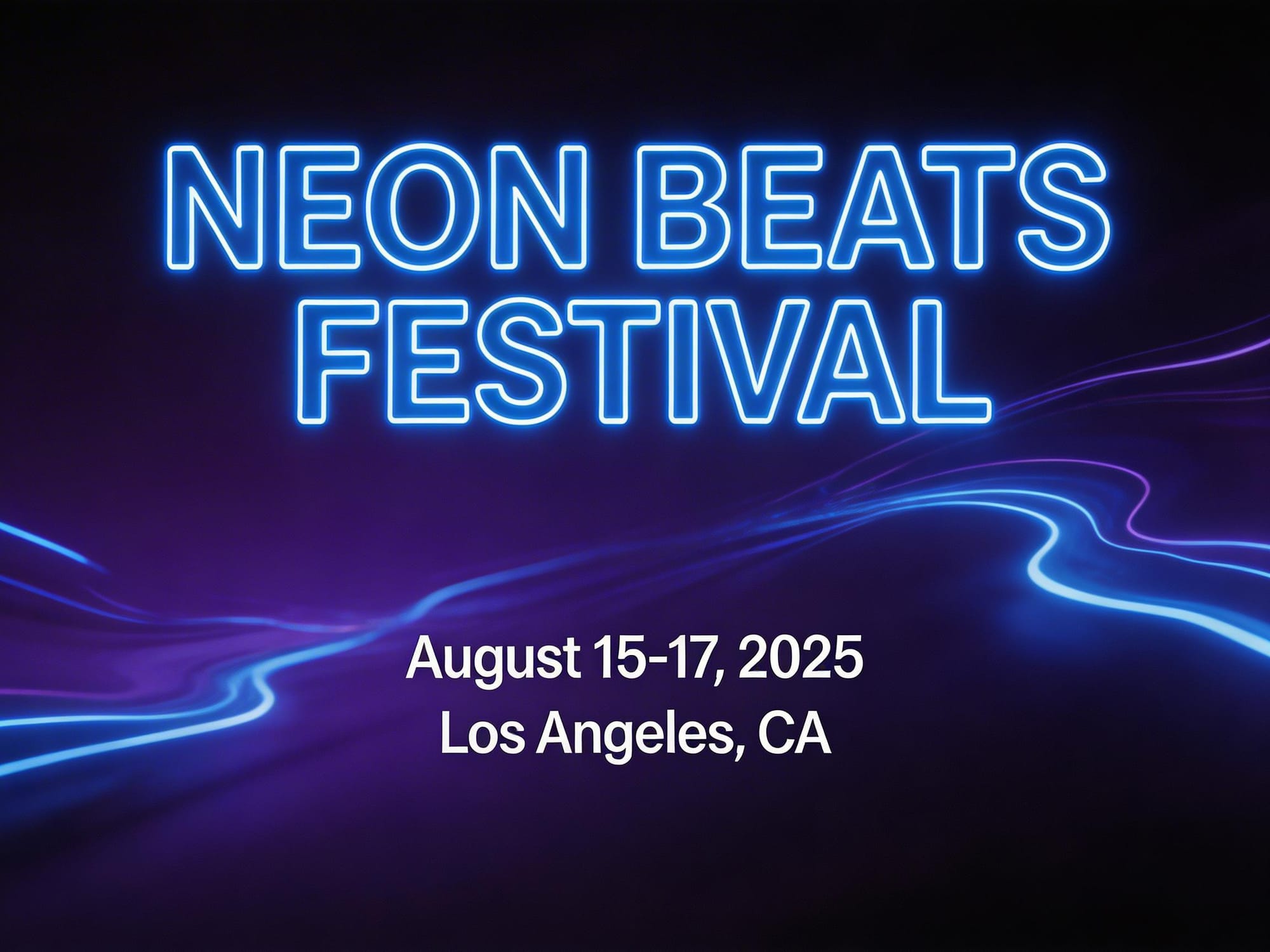
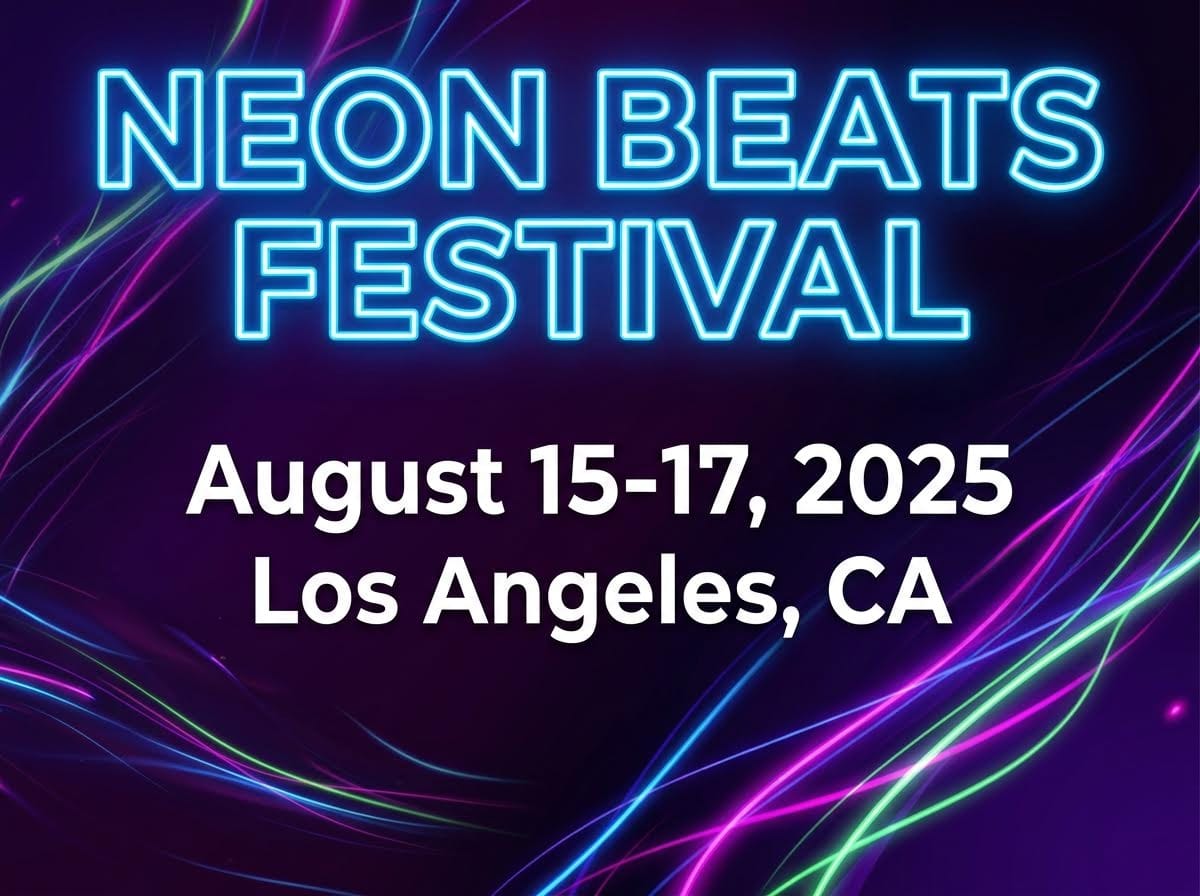
Winner: Seedream 5.0 Lite. Both models correctly spelled all text elements and captured the neon glow aesthetic. Seedream's version wins on atmosphere: the flowing light streaks create genuine visual depth, and the layout - event name stacked prominently, date and location cleanly separated below - is better structured for a real festival poster. Nano Banana 2's version is brighter with multi-colour neon, but the more compact layout feels more like a social tile than a full poster.
5. Greeting Card
Greeting cards are the gold standard for decorative script text - the flowing calligraphy that typically falls apart in AI generation. We asked for 'Happy Birthday' in gold calligraphy with a floral motif and a secondary line.
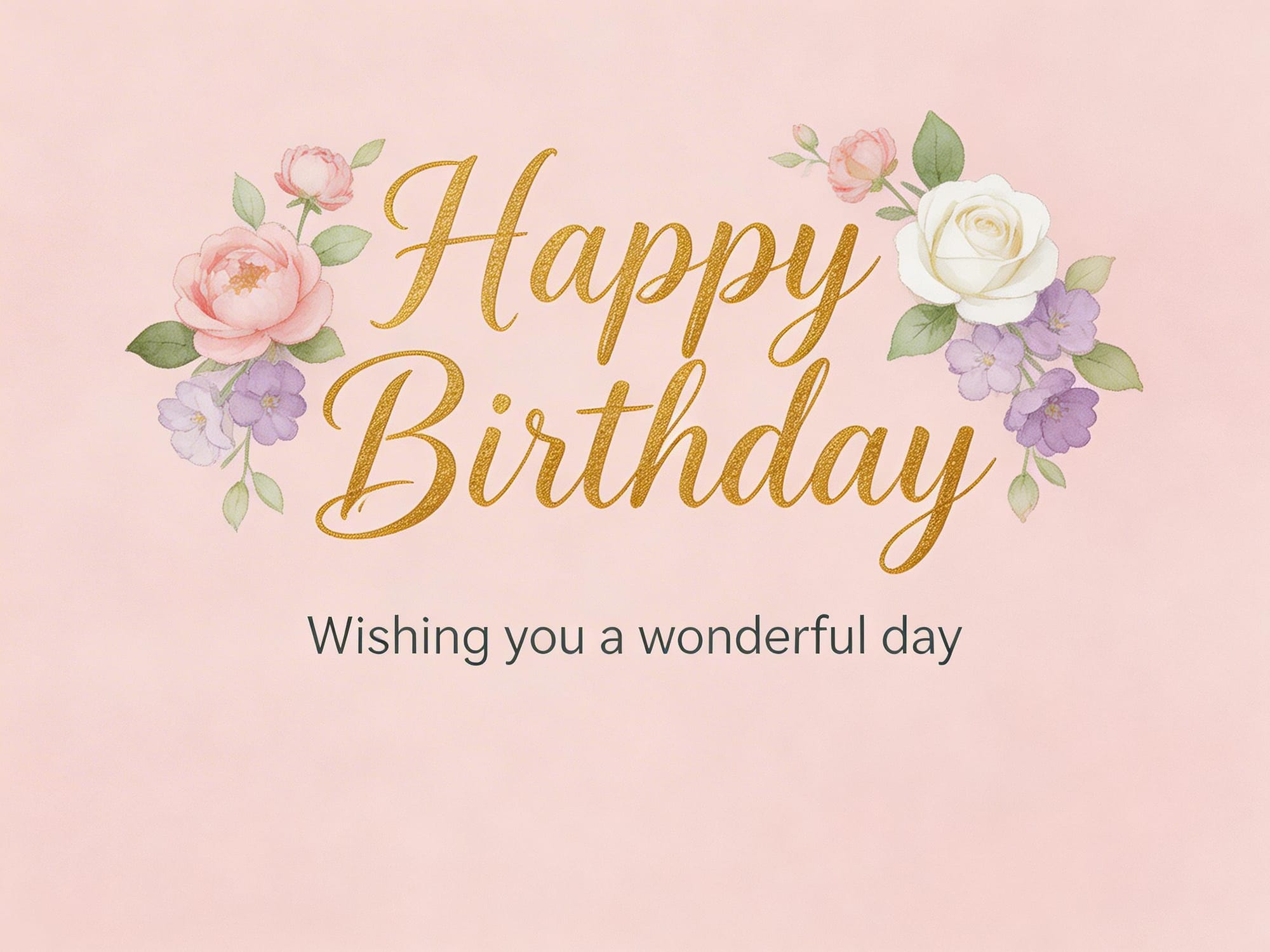
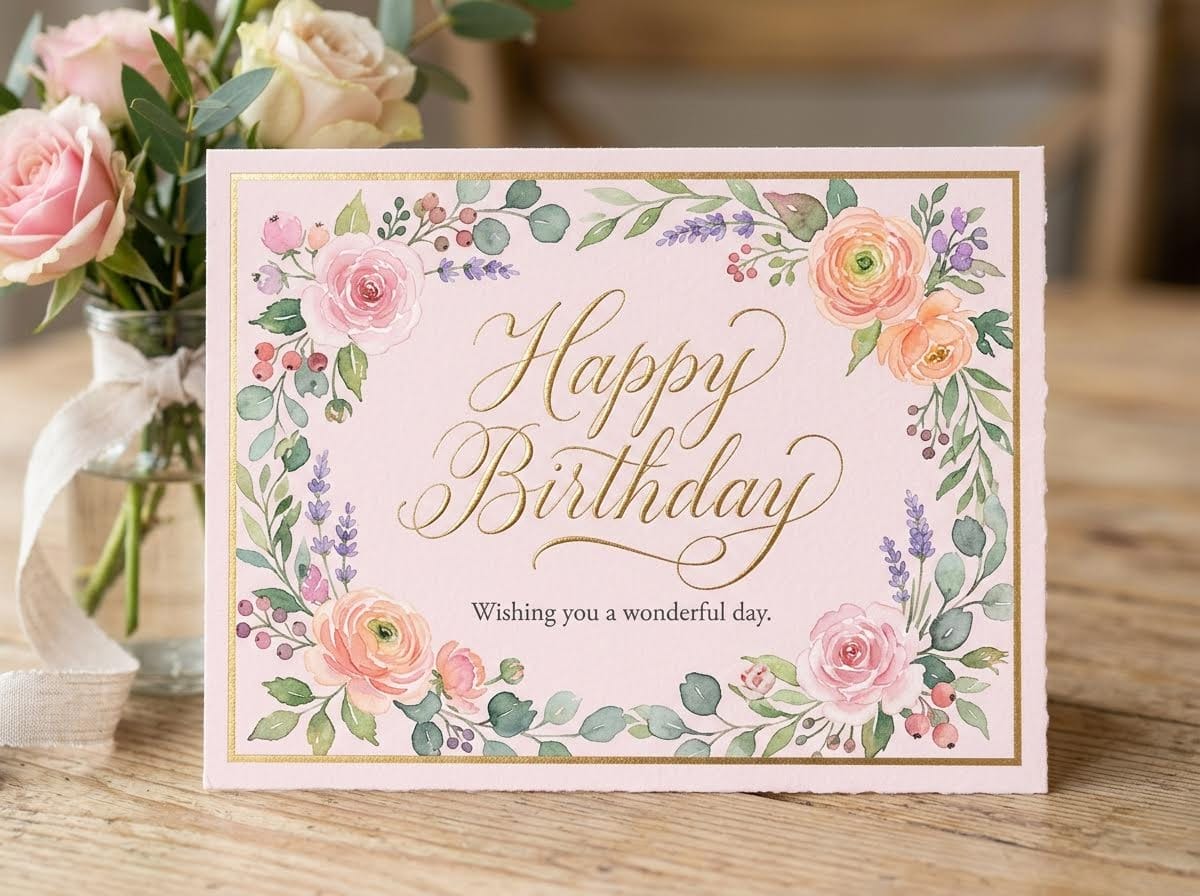
Winner: Seedream 5.0 Lite. Both nailed the spelling and calligraphic style. Seedream's card is more polished as a print-ready design: large-format gold glitter script balanced against minimal floral accents, with the secondary line 'Wishing you a wonderful day' set cleanly in a complementary sans-serif. Nano Banana 2's photorealistic card-with-flowers approach is impressive, but the smaller text and physical staging make it less useful as a design asset.
6. Movie Poster
Movie posters demand multiple text elements at different scales - title, tagline, release note - all integrated believably into a cinematic scene. This is arguably the most complex text-rendering task in the set.
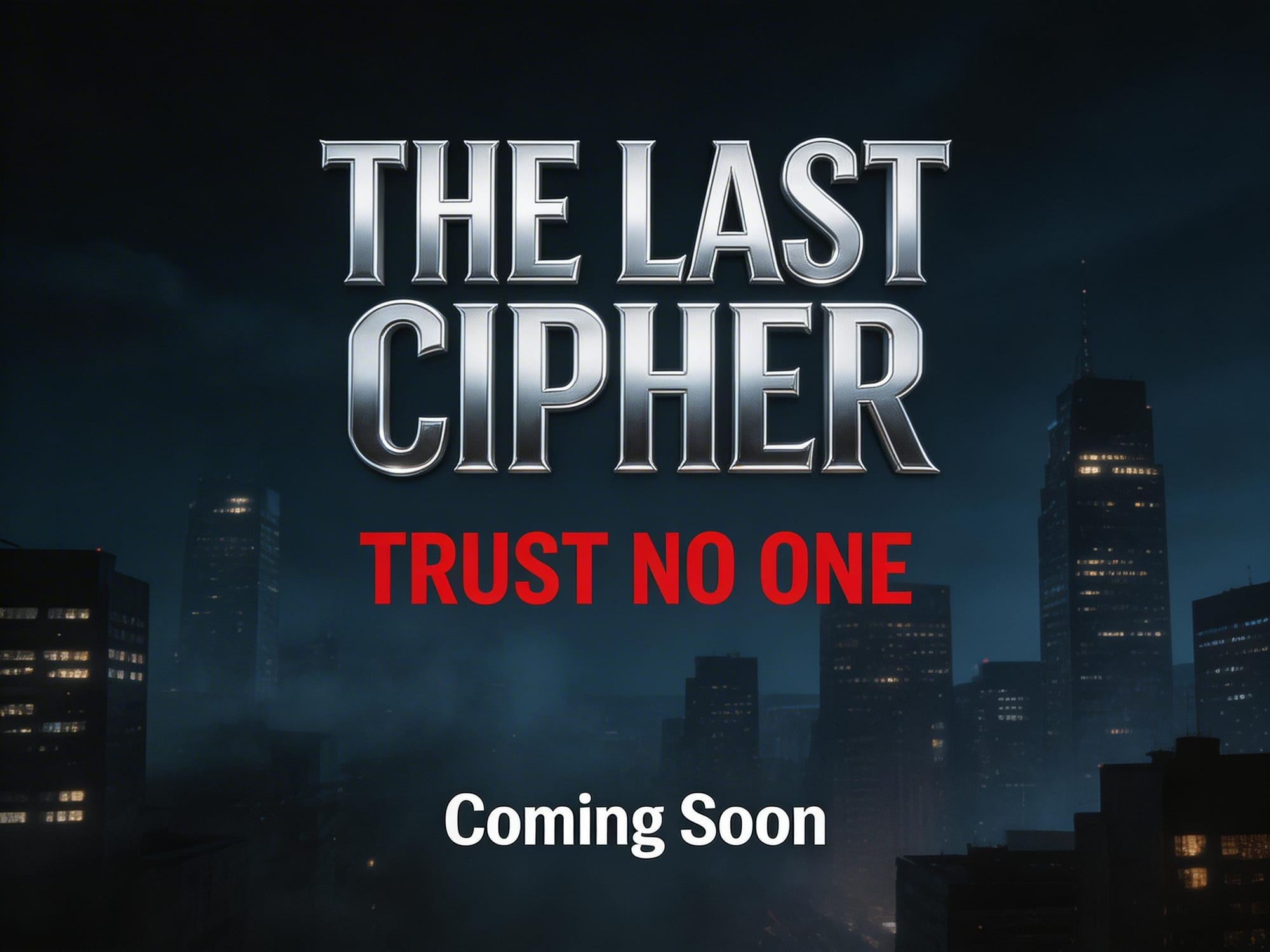
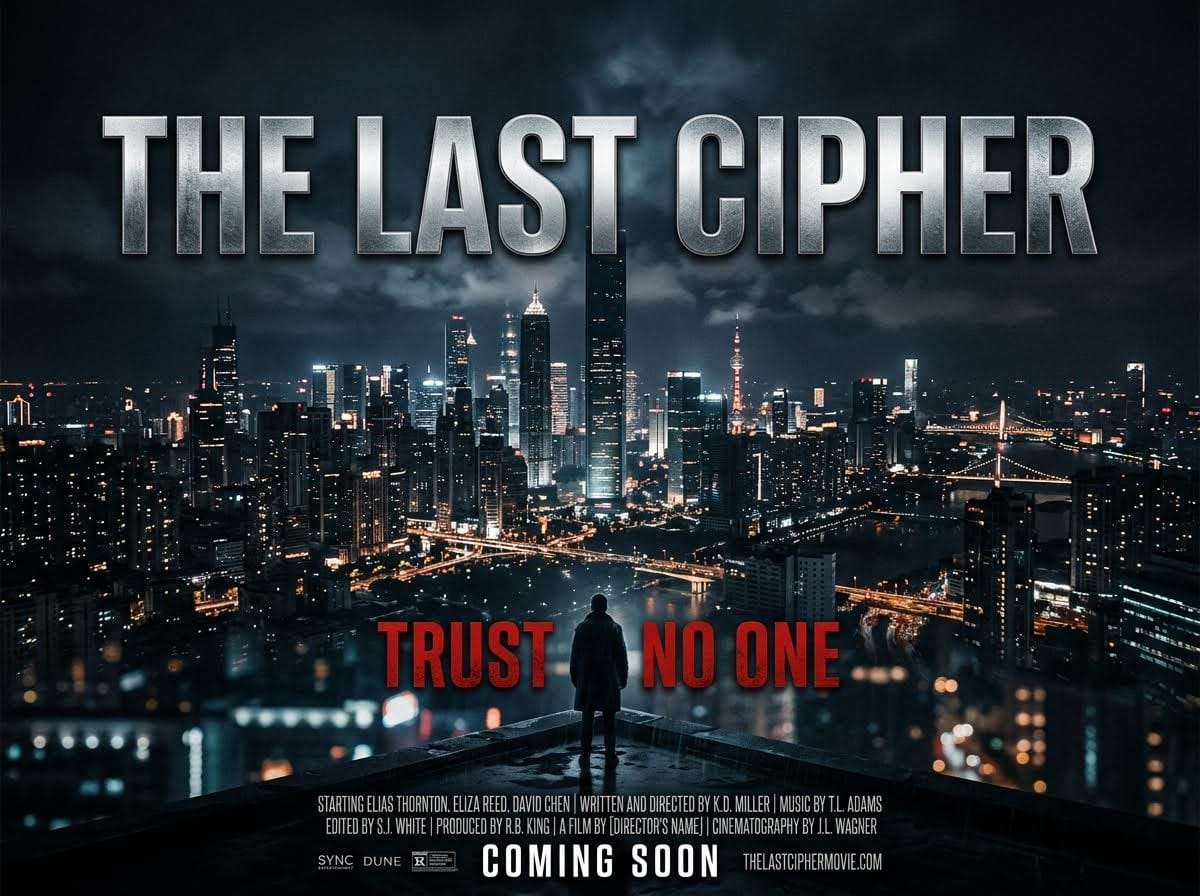
Winner: Nano Banana 2. Seedream produced a competent poster - correct title, tagline, and 'Coming Soon' text over a moody cityscape - but the composition is sparse with no character presence. Nano Banana 2 delivered a production-ready Hollywood poster: a lone figure silhouetted against a breathtaking night-city panorama, all three text elements correctly placed, plus fully rendered supporting copy (cast, crew, rating block, website URL). The tagline is even cleverly integrated with the figure standing between the words. This is the kind of output that makes designers stop scrolling.
7. Social Media / Canva-style Design
Instagram infographic posts are one of the highest-volume use cases for AI-generated design. Clean hierarchy, readable body text, and on-brand aesthetics are all required simultaneously.
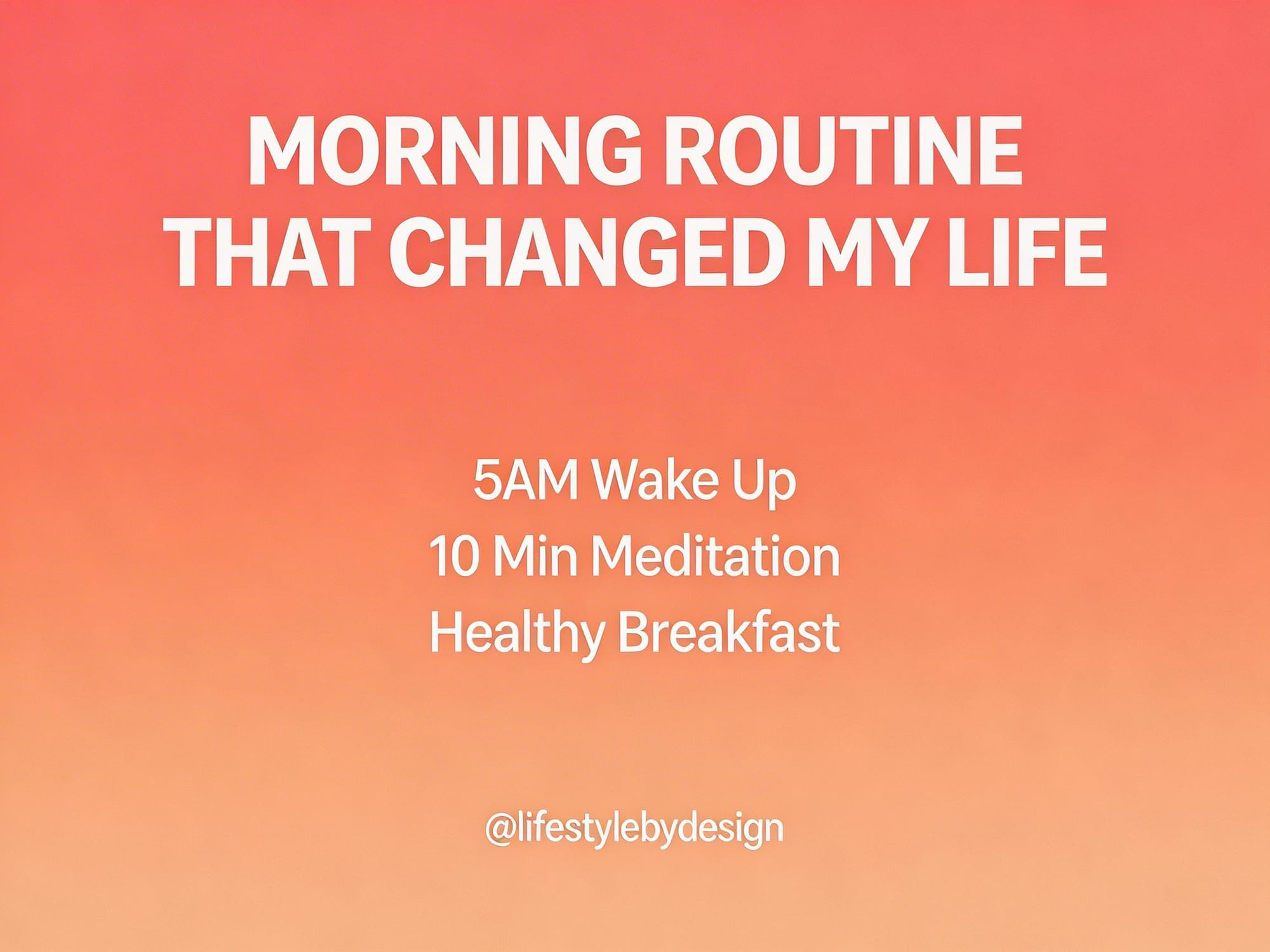
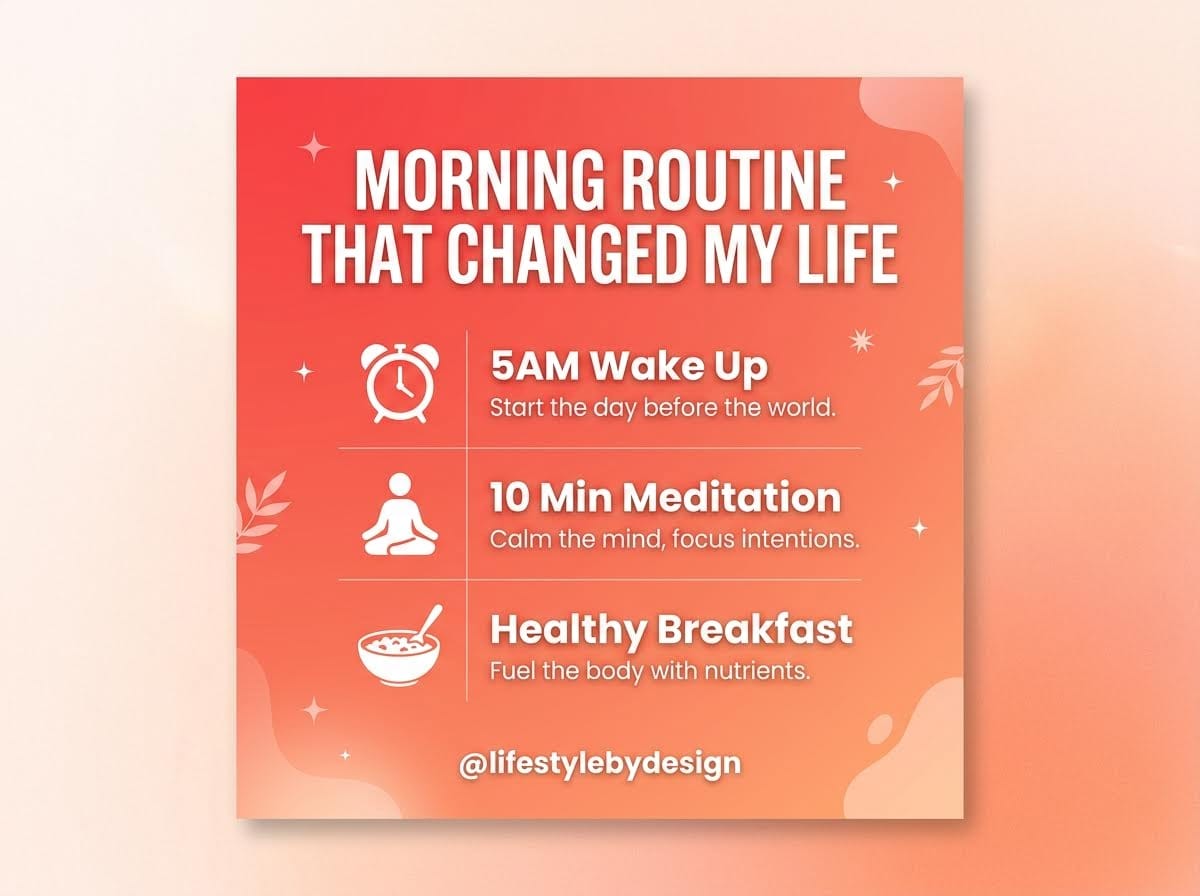
Winner: Nano Banana 2. Seedream delivered a clean, readable gradient post with all the right text elements - headline, three bullet points, and handle. Perfectly functional. Nano Banana 2 produced something you'd see from an actual Canva designer: the same headline with icons beside each bullet point, secondary sub-captions for each item, clean section dividers, and the handle styled at the bottom. It has genuine visual hierarchy and would perform well as a live Instagram post. Seedream's version reads as a draft; Nano Banana 2's looks ready to publish.
Final Scorecard
| Scenario | Seedream 5.0 Lite | Nano Banana 2 |
|---|---|---|
| Advertising Banner | - | Win |
| Product Label / Packaging | - | Win |
| Fashion Brand Poster | Win | - |
| Event / Concert Poster | Win | - |
| Greeting Card | Win | - |
| Movie Poster | - | Win |
| Social Media / Canva Design | - | Win |
| Total | 3 / 7 | 4 / 7 |
Key Takeaways
Nano Banana 2 wins 4 of 7 scenarios, particularly excelling wherever scene context matters alongside text - product photography, movie posters, advertising banners, and social content. Its strength is that it builds a complete, contextually believable image around the text rather than just rendering the text itself. The added detail it brings (cast credits, product specs, sub-captions) is genuinely useful in real creative workflows.
Seedream 5.0 Lite wins 3 of 7 scenarios, proving its edge in typographically precise, design-forward contexts: fashion editorials, event posters, and greeting cards. Its output tends to be cleaner, more minimal, and closer to traditional print design conventions. For luxury branding, editorial layouts, or stationery use cases, Seedream is the stronger choice.
One thing is consistent across both: neither model produced a single spelling error across all 14 images and 35+ individual text elements. That alone marks a significant leap from where AI text rendering was just a year ago.
Both models are available via the Segmind API. Seedream 5.0 Lite runs at ~$0.035/image; Nano Banana 2 at ~$0.06 to $0.15/image.