
Camera Angle Generation Test: Seedream 5 Lite vs Nano Banana Pro across 6 Shot Types
I tested Seedream 5 Lite and Nano Banana Pro on 6 cinematographic shot types from a single reference frame. Here's what each model did with hero shots, Dutch angles, overhead, close-ups, and more.

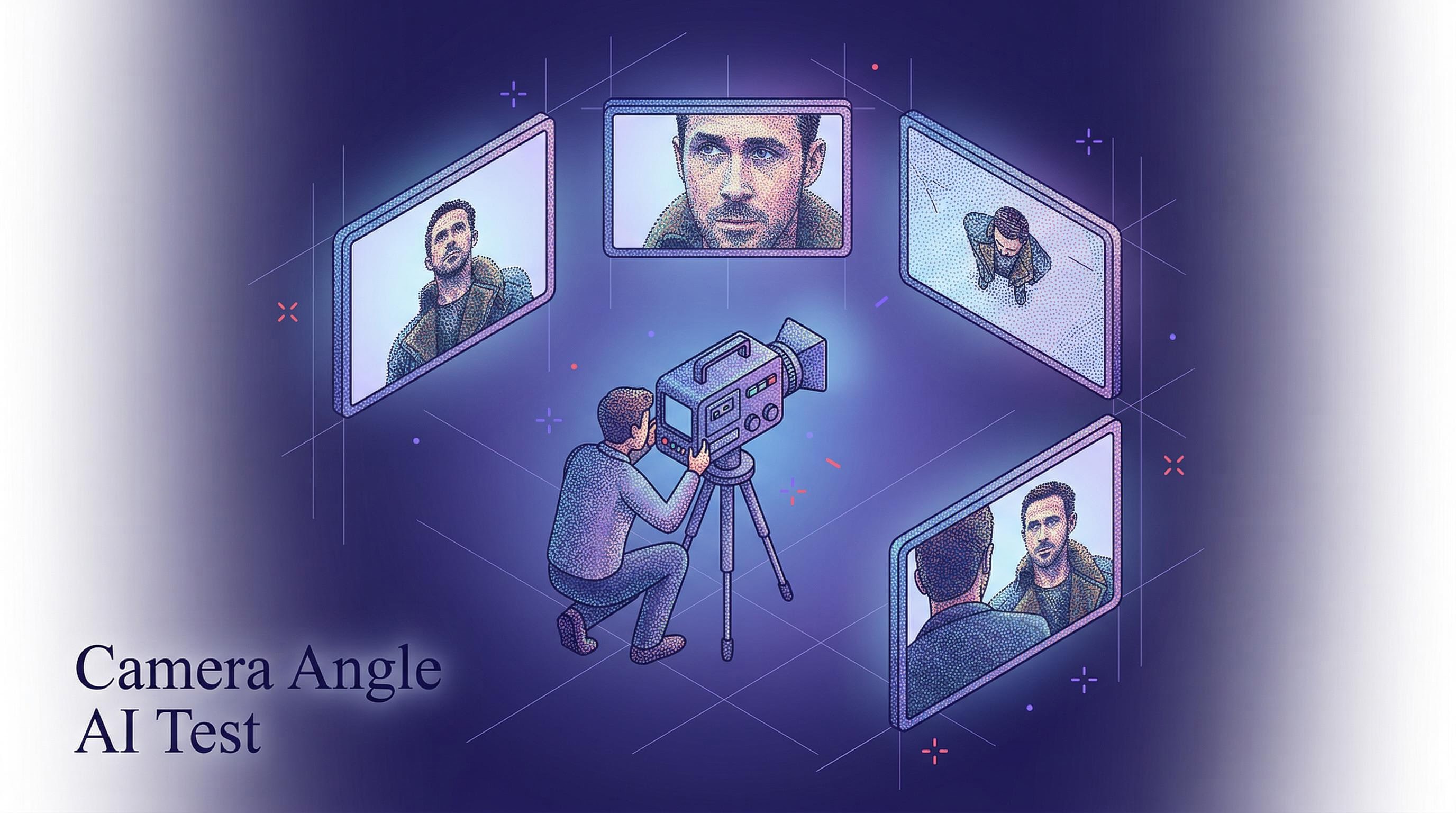
I've been running generation tests on our two newest models at Segmind: Seedream 5 Lite and Nano Banana Pro. One question I kept getting from film producers and ad agencies was the same: can these models understand camera angles? Not just "generate an image," but actually interpret cinematographic framing directives and execute them faithfully from a reference input.
So I tested it. One base frame, six distinct shot types, two models. Here is what I found.
The Test Setup
I generated a single cinematic reference frame using Seedream 5 Lite text-to-image: a battle-hardened male protagonist in a rain-soaked neon alley, shot at eye level. This became the shared input across all 12 generations. Both models received the identical prompt for each shot type, with only the camera angle directive changing. The goal was to see which model better understood and applied cinematographic framing while preserving character identity.
Input Reference Frame
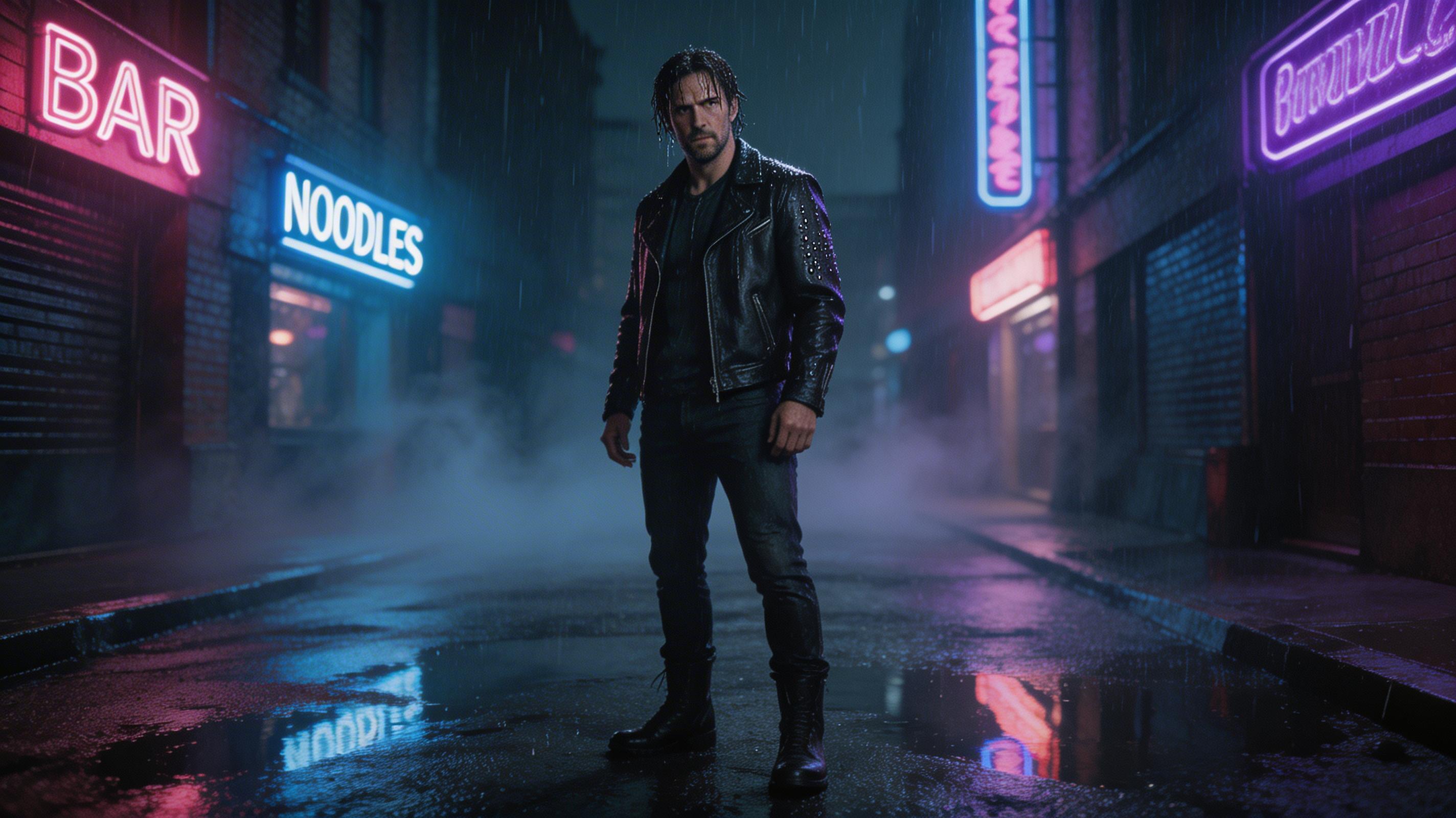
The single input frame passed to both models across all 6 angle prompts. Generated with Seedream 5 Lite T2I.
Both models run as image-to-image endpoints on Segmind. Seedream 5 Lite costs $0.035 per call. Nano Banana Pro costs $0.15 per call. I used the same API structure for both:
import requests

response = requests.post(
    "https://api.segmind.com/v1/seedream-v5-lite-image-to-image",  # or nano-banana-pro
    headers={"x-api-key": "YOUR_API_KEY"},
    json={
        "prompt": "CAMERA ANGLE: [shot description]...",
        "image_input": ["https://your-reference-image.jpg"],  # image_urls for Nano Banana Pro
        "aspect_ratio": "16:9",
        "size": "2K"
    }
)
with open("output.jpg", "wb") as f:
    f.write(response.content)
Movie Making Use Cases
Film and VFX teams use pre-visualization to plan shots before principal photography. The ability to take a character reference and generate that character from a specific cinematic angle has real production value, cutting down on storyboard time and giving directors something concrete to review. I tested three classic cinematography setups.
Shot 1: The Hero Shot (Low Angle)
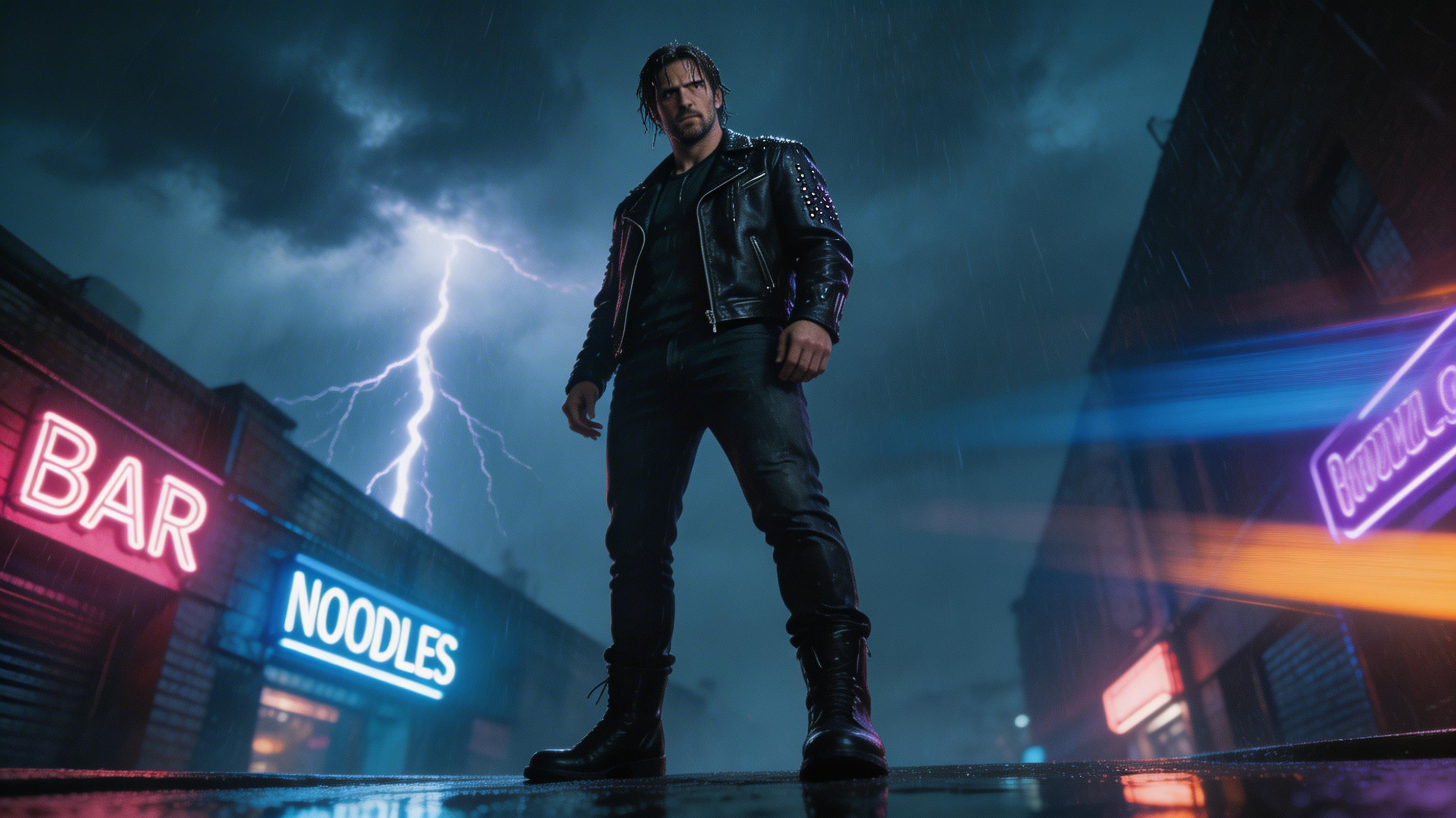
The hero shot is probably the most iconic camera placement in action cinema. Camera at knee height, tilted steeply upward, character framed against a dramatic sky. It communicates power, authority, and scale. The prompt asked both models to place the camera at knee height looking up, with a stormy sky and lightning behind the character.
Parameters aspect_ratio: 16:9 | size: 2K | optimize_prompt: standard | image_input: [reference_url]
Seedream 5 Lite
Nano Banana Pro
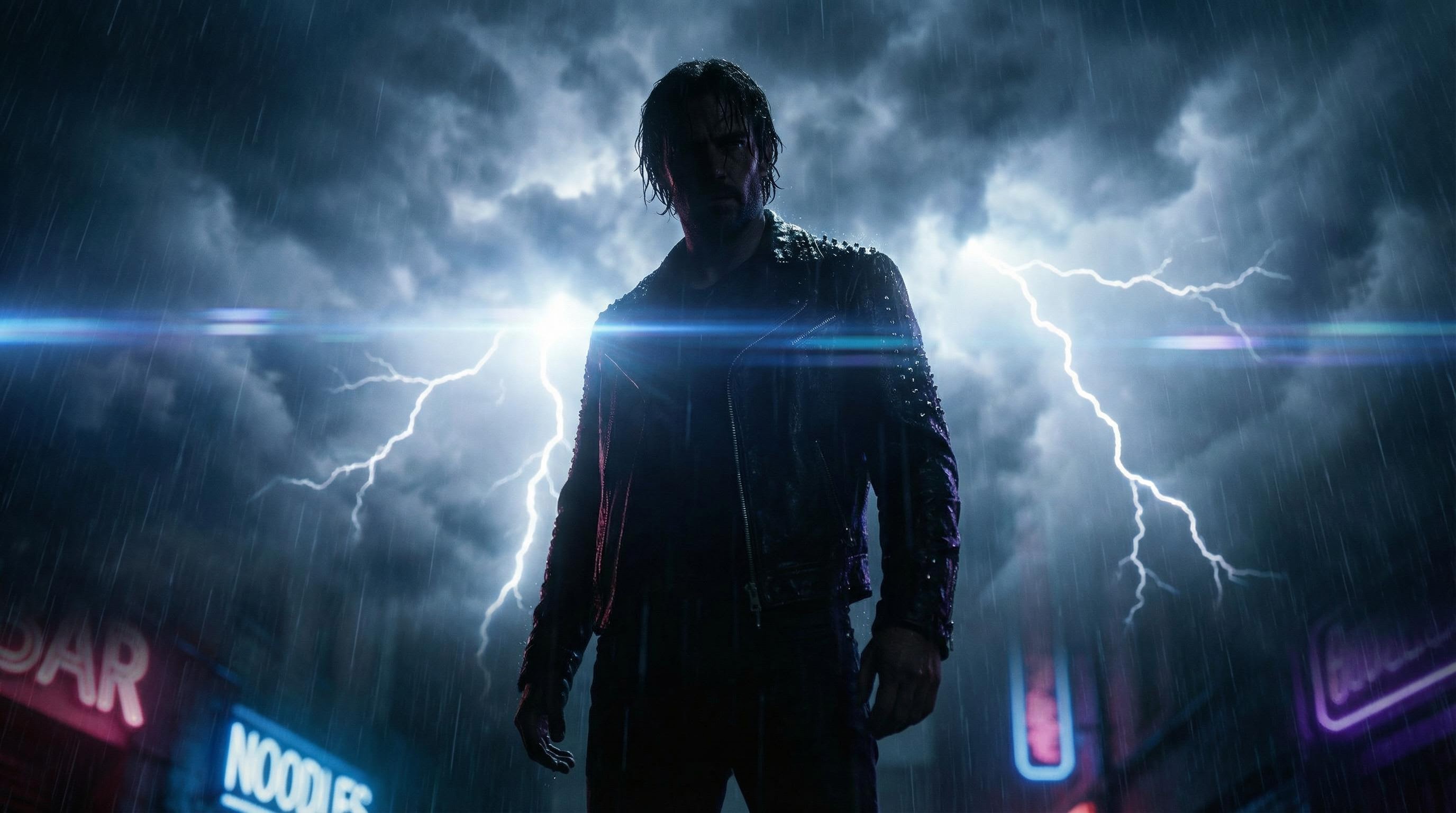
Shot 1: Hero Shot (Low Angle). Same prompt, same reference image, two models.
Both models got the idea of "low angle and dramatic sky" but handled it differently. Seedream 5 Lite went more literal with the silhouette framing, leaning into the stormy sky backdrop. Nano Banana Pro added more compositional drama in how it positioned the character against the light source. Neither perfectly locked in the same character identity from the reference, which is expected for this type of angle shift.
Shot 2: Close-up Emotion
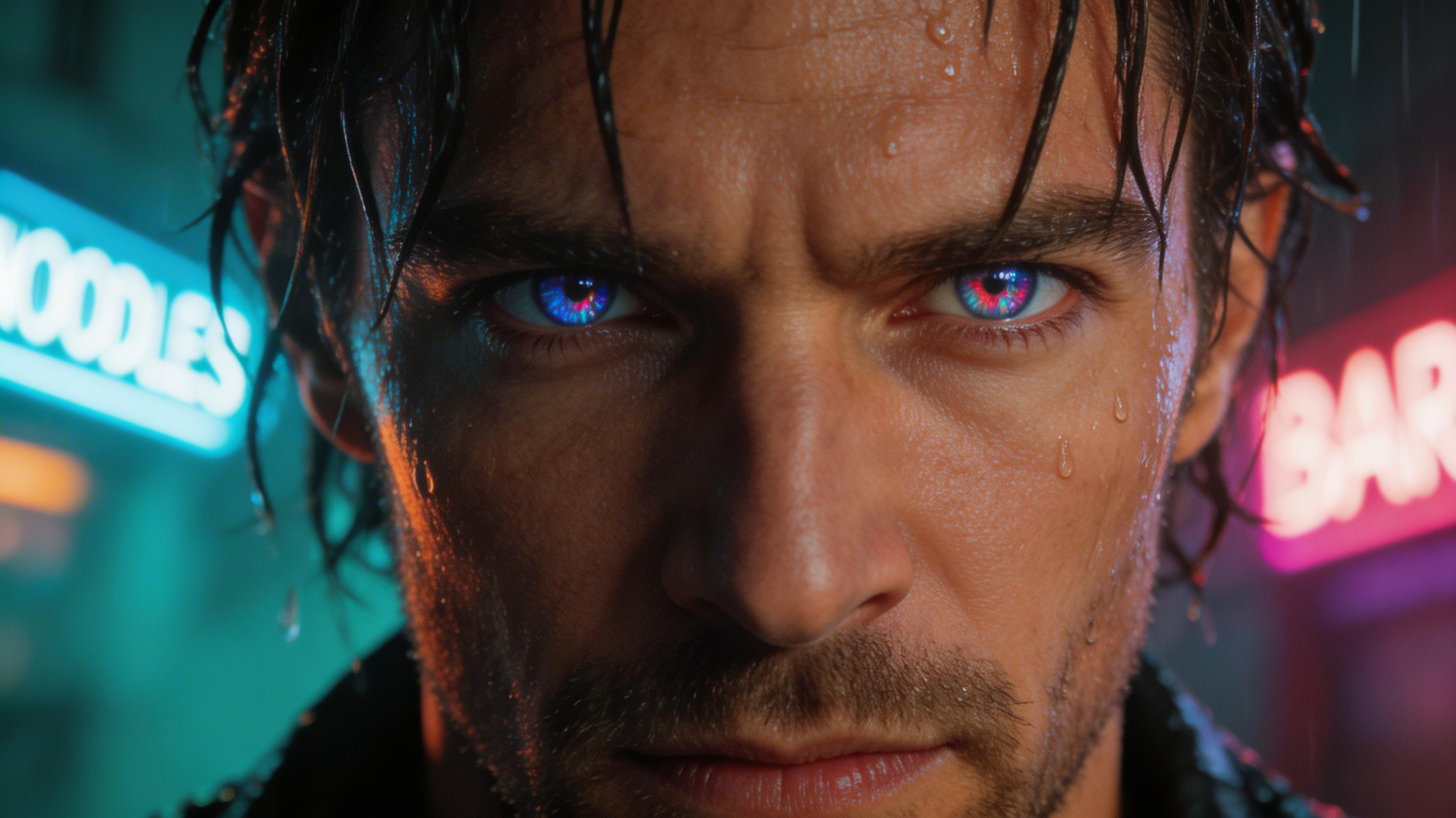
An extreme close-up filling the frame with just the character's face is one of the most powerful tools in a director's kit. It forces the audience into an intimate moment, putting the psychological state of the character front and center. I asked for neon reflections in the eyes, rain on the face, and teal-orange color grading.
Parameters aspect_ratio: 16:9 | size: 2K | optimize_prompt: standard
Seedream 5 Lite
Nano Banana Pro
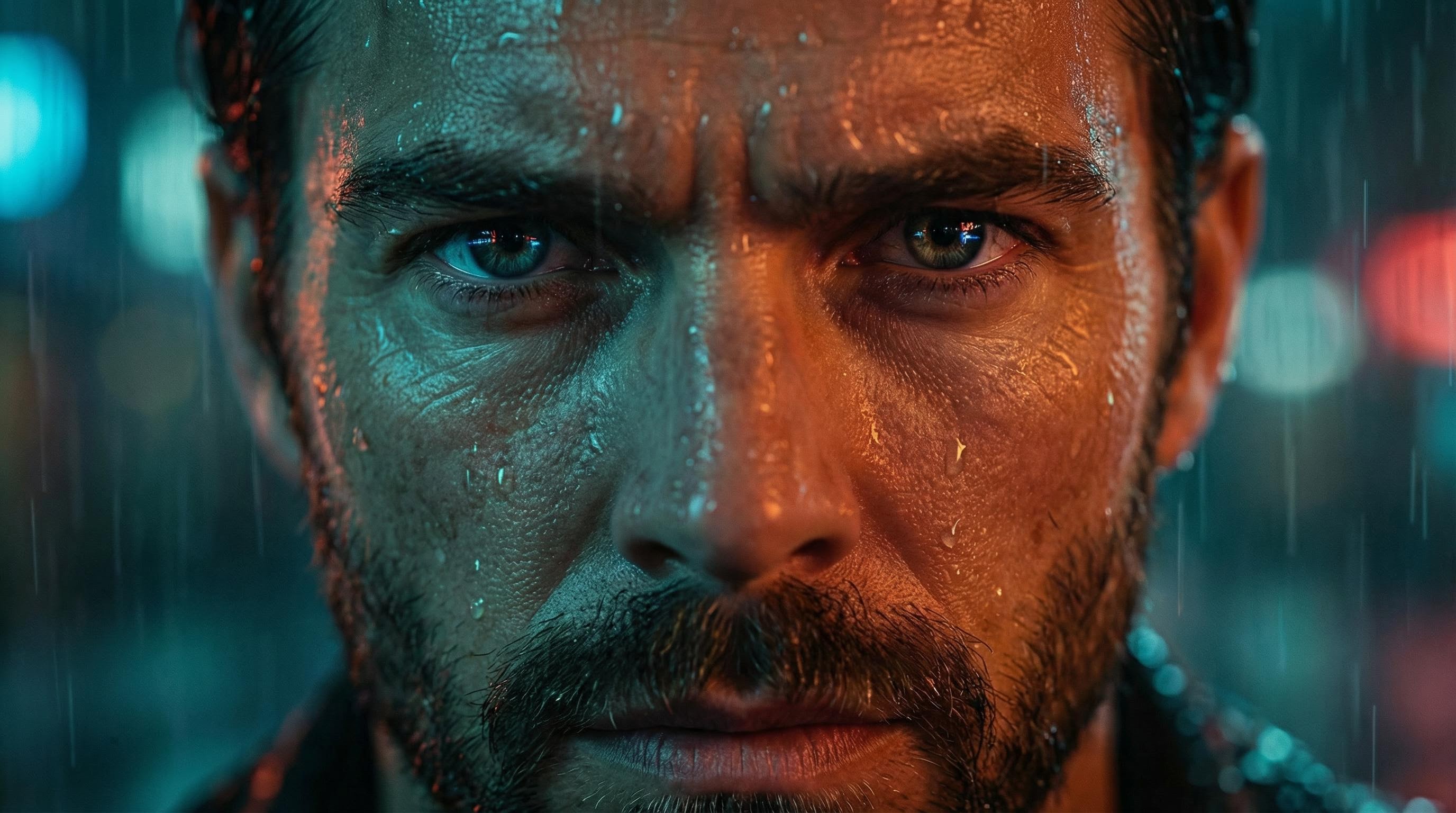
Shot 2: Close-up Emotion. Both models delivered strong atmospheric framing on this one.
This was the strongest result across both models. The close-up prompt is compositionally simpler to execute, and both outputs showed real attention to the lighting and mood directives. The teal-orange grade came through well in both cases. Nano Banana Pro rendered slightly more cinematic skin texture, while Seedream 5 Lite produced a cleaner, more stylized crop.
Shot 3: Dutch Angle (Tension)
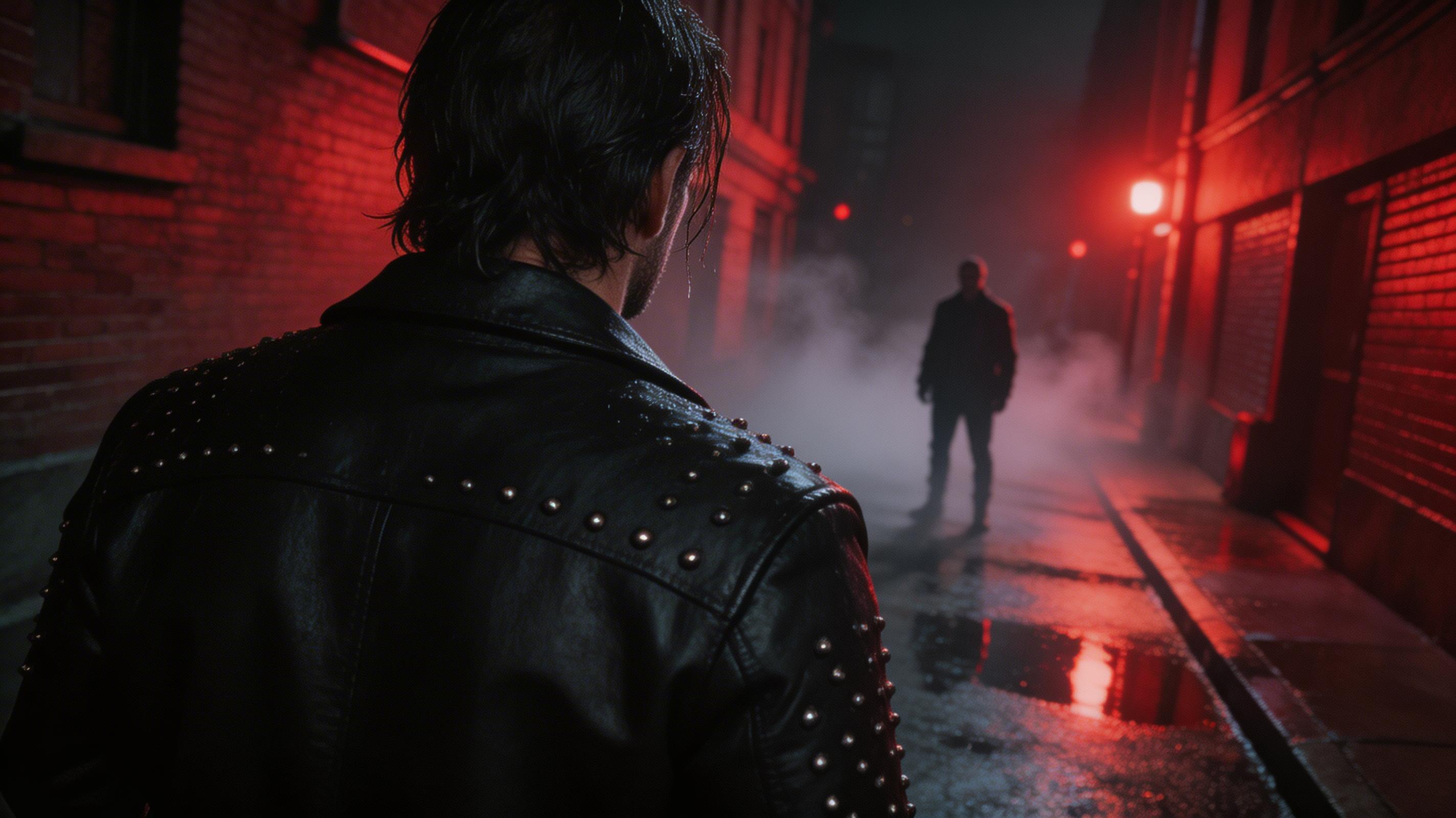
The Dutch angle, camera tilted roughly 35 degrees, is the psychological tension tool. Associated with thriller and horror cinematography, it creates subconscious unease without the viewer necessarily understanding why. I combined it with an over-the-shoulder framing and a shadowy antagonist in the midground.
Parameters aspect_ratio: 16:9 | size: 2K | optimize_prompt: standard
Seedream 5 Lite
Nano Banana Pro
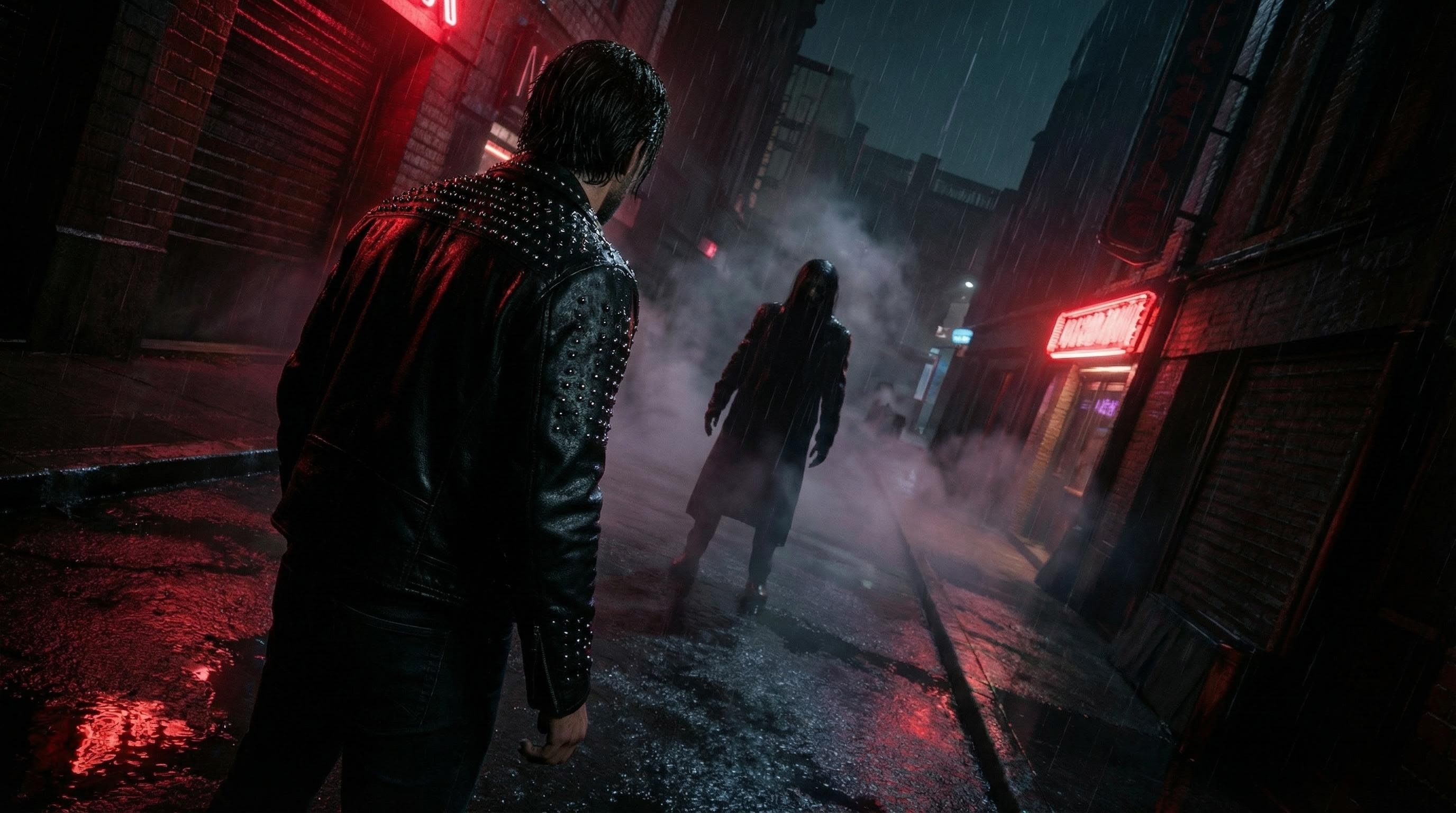
Shot 3: Dutch Angle. The tilt and two-figure composition is a harder ask for any model.
The Dutch angle is where both models showed their limits around spatial understanding. The actual tilted horizon concept was partially interpreted rather than strictly executed. Both outputs delivered strong atmospheric lighting and the two-figure composition, but the degree of horizon tilt was more subtle than a true 35-degree Dutch angle would look. For pre-visualization purposes this still works, but a cinematographer reviewing it would note the angle is understated.
Advertising Use Cases
Ad agencies running AI-assisted production workflows need a different set of shots than film. Clean product frames, overhead flat-lay compositions, and aspirational POV perspectives are the bread and butter of commercial photography. I tested three of the most commonly requested ad formats.
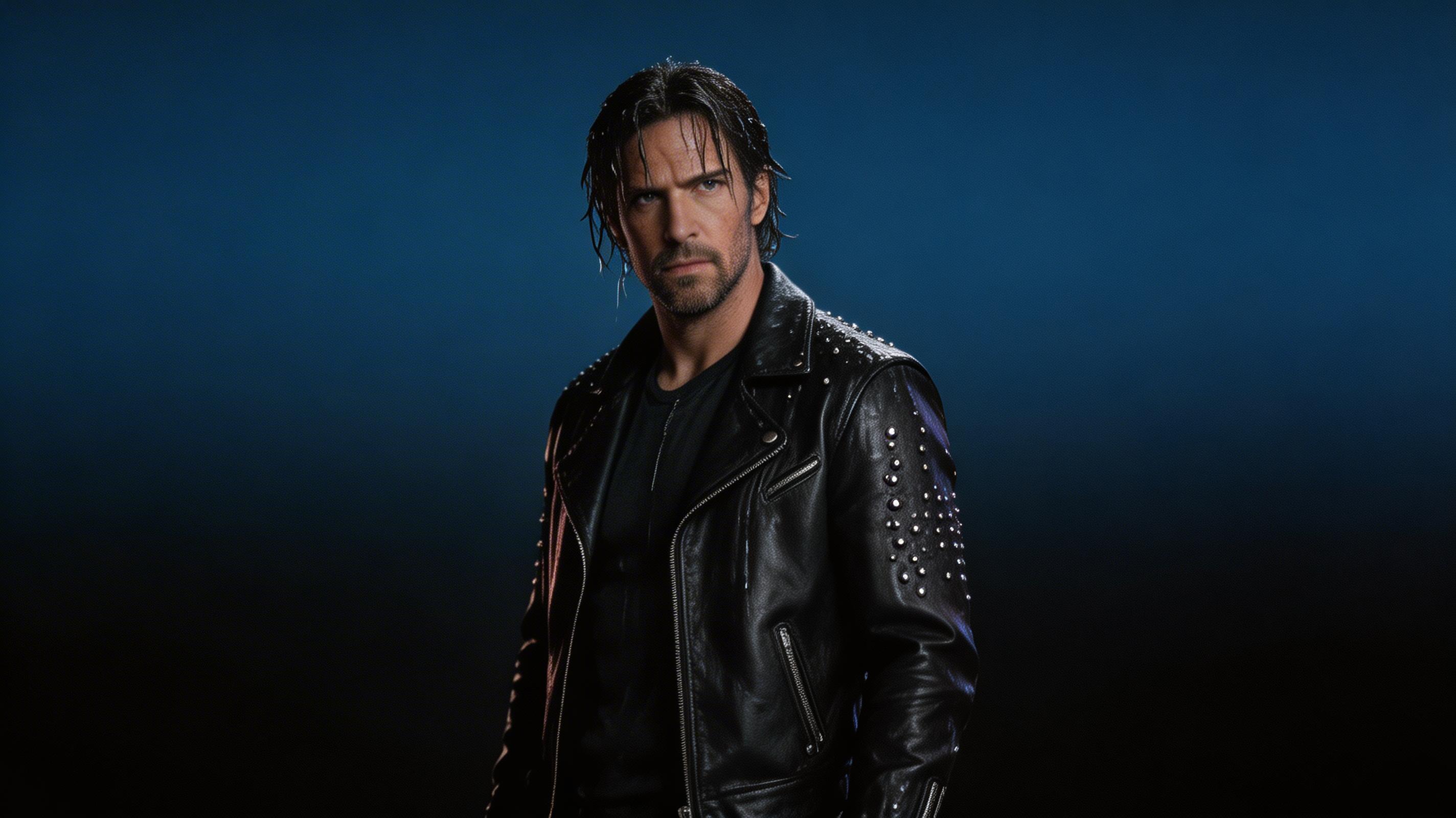
Shot 4: Clean Campaign Shot (Eye Level)
The standard fashion and lifestyle ad shot: eye-level, straight-on, well lit, clean background. This is what you see on billboards, in magazines, and on brand Instagram feeds. The challenge here was switching the model from a gritty neon alley context to a studio-quality commercial register while preserving the same character.
Parameters aspect_ratio: 16:9 | size: 2K | optimize_prompt: standard
Seedream 5 Lite
Nano Banana Pro
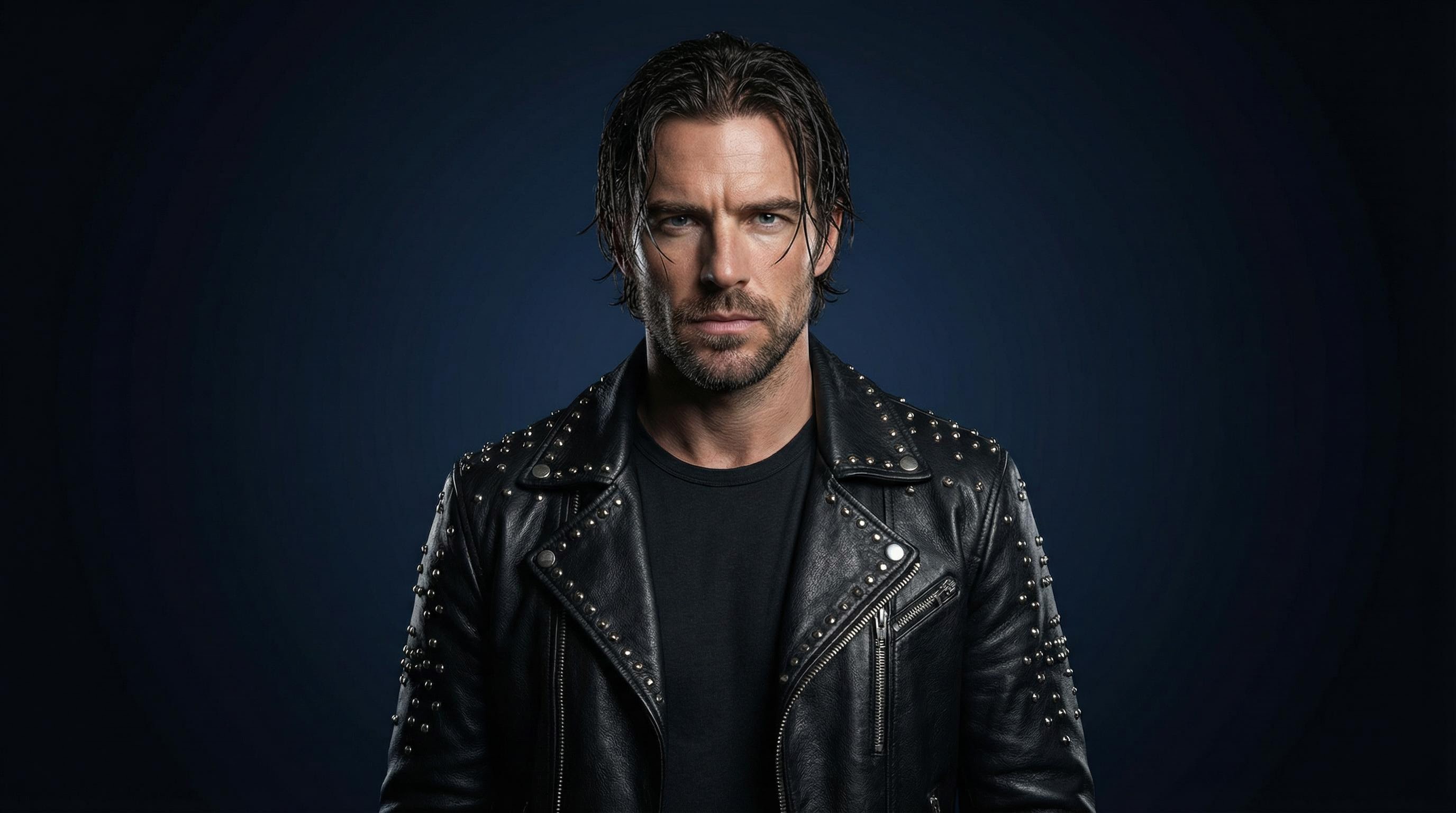
Shot 4: Clean Campaign Shot. Context switch from noir to commercial. Both models handled the lighting shift.
Both models successfully switched register here, moving away from the atmospheric noir lighting of the input frame and adopting a cleaner, more commercial look. Nano Banana Pro leaned into the studio lighting more convincingly, with a more deliberate gradient backdrop. Seedream 5 Lite's version felt slightly more editorial, with retained character depth that reads well for branded content.
Shot 5: Overhead Top-Down
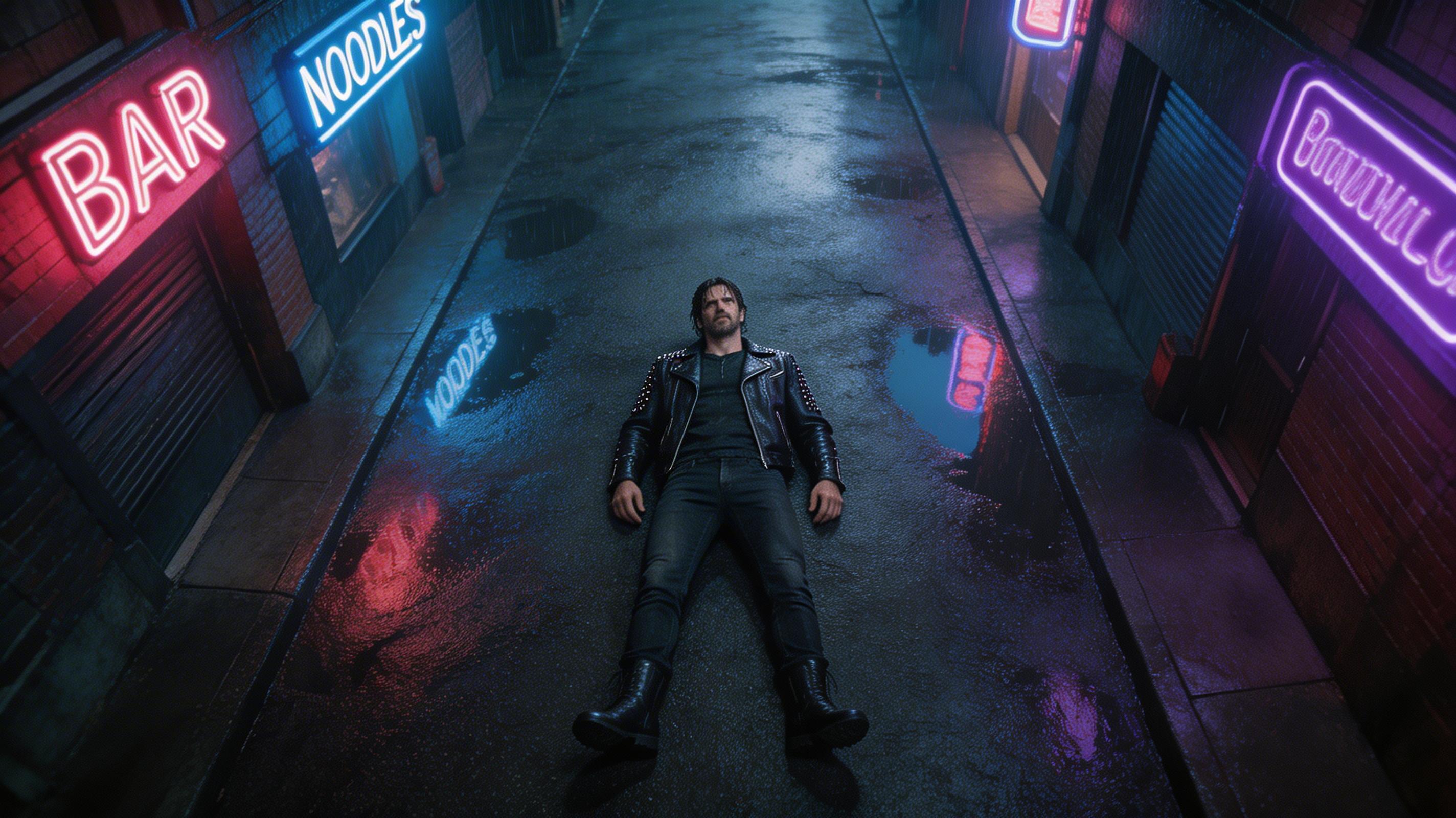
The overhead or bird's-eye shot is having a moment in commercial photography. Flat lay product shots, overhead city perspectives, and the "looking up from the ground" celebrity poster aesthetic are all common in campaign work. I asked for the character on rain-soaked pavement with neon reflections, looking up directly at the camera.
Parameters aspect_ratio: 16:9 | size: 2K | optimize_prompt: standard
Seedream 5 Lite
Nano Banana Pro
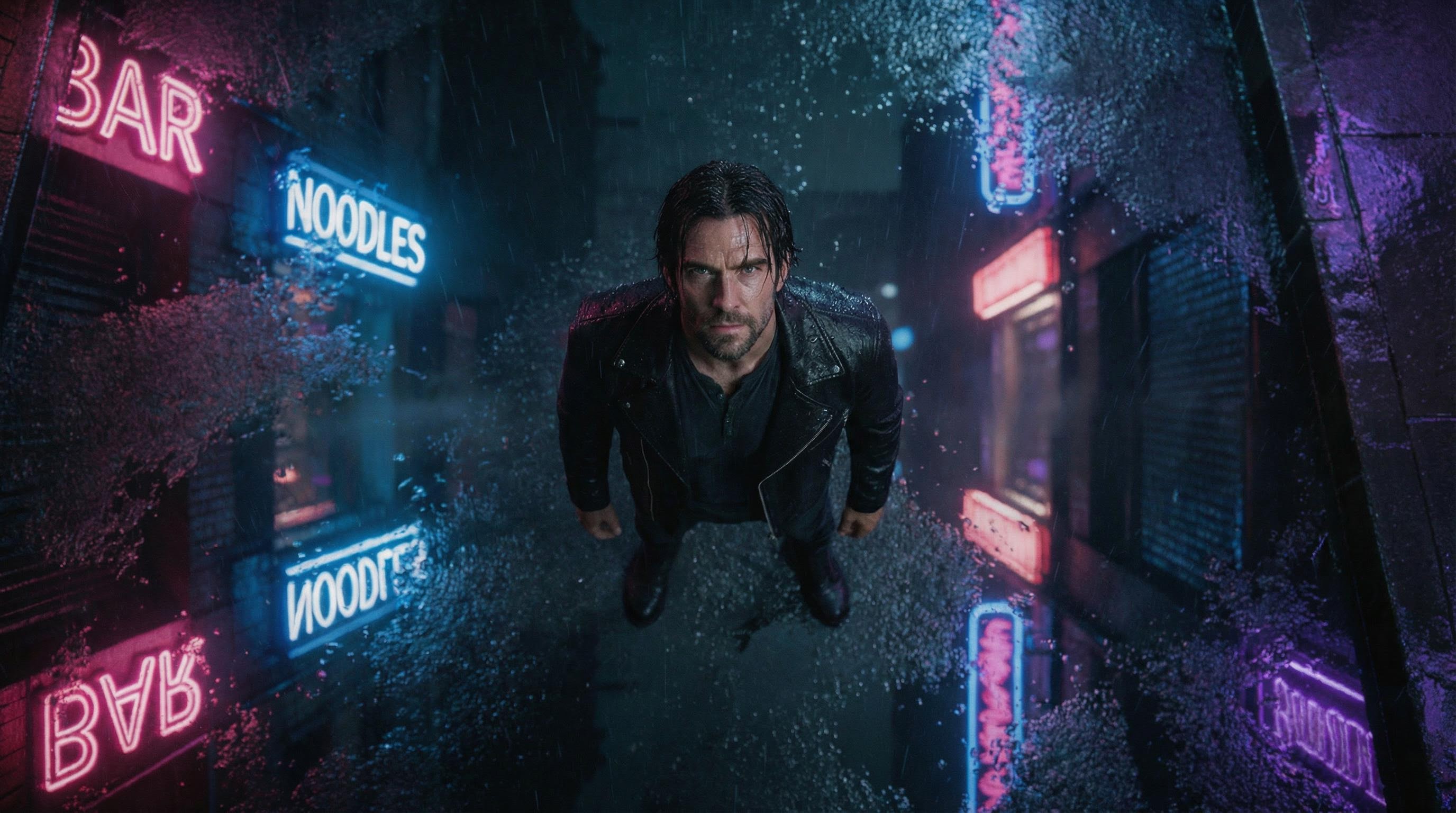
Shot 5: Overhead Top-Down. The hardest spatial rotation in the set. Neon puddle reflections were a nice touch.
This was the most demanding spatial transformation in the test, asking the model to flip the entire viewing axis from eye-level to directly vertical. Both models interpreted this more loosely than I expected. The "overhead" concept came through in both, with the character appearing from a high angle, but a true 90-degree vertical top-down was not achieved by either model. The neon puddle reflections showed up nicely in both outputs, which was a pleasant surprise and added to the visual quality.
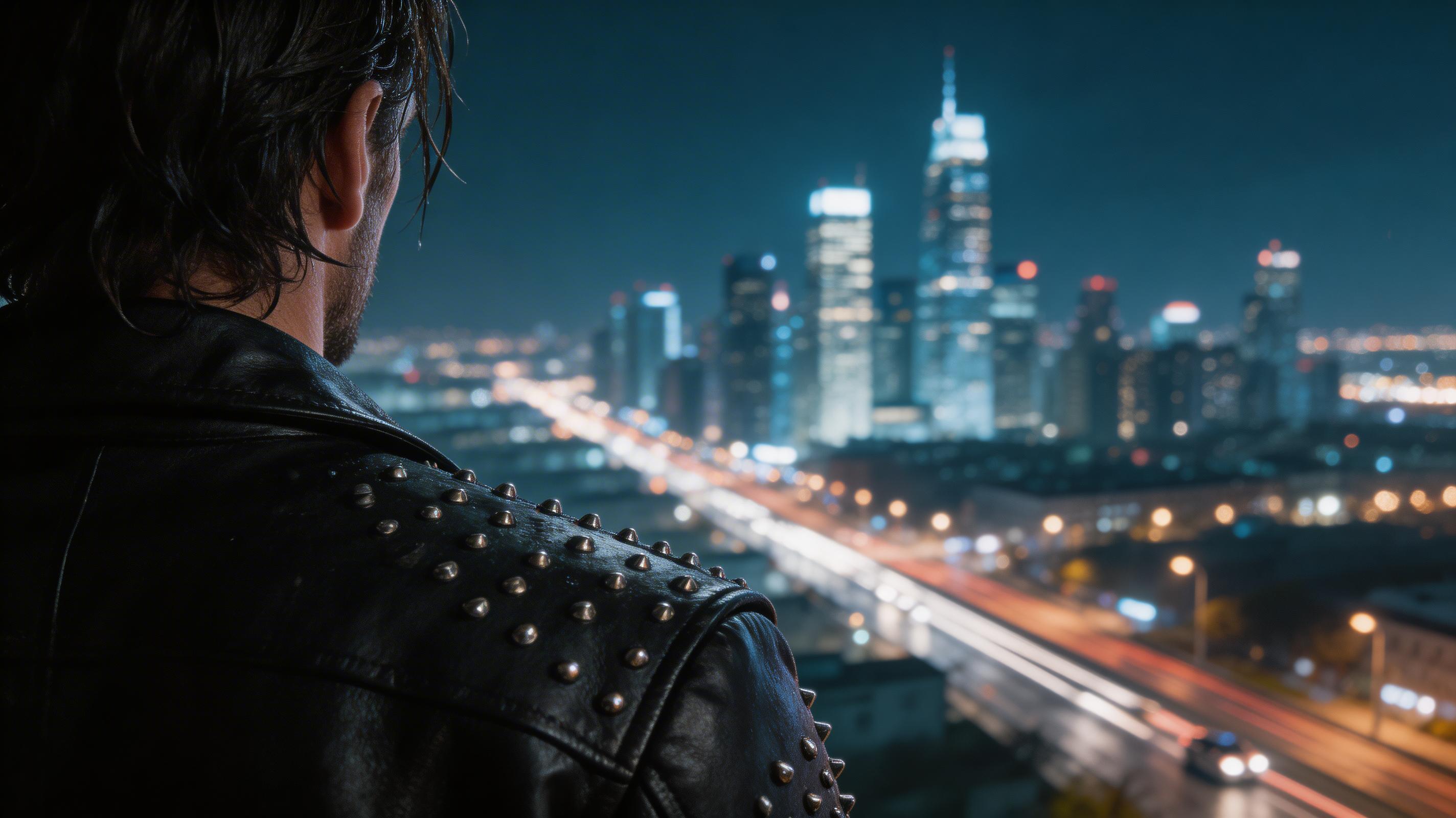
Shot 6: Over-the-Shoulder POV
The aspirational lifestyle POV shot: camera positioned just behind and above the subject's shoulder, looking out at a breathtaking view. This is the "this is the view from the top" shot that luxury brand campaigns rely on. The character becomes a framing device for the world behind them.
Parameters aspect_ratio: 16:9 | size: 2K | optimize_prompt: standard
Seedream 5 Lite
Nano Banana Pro
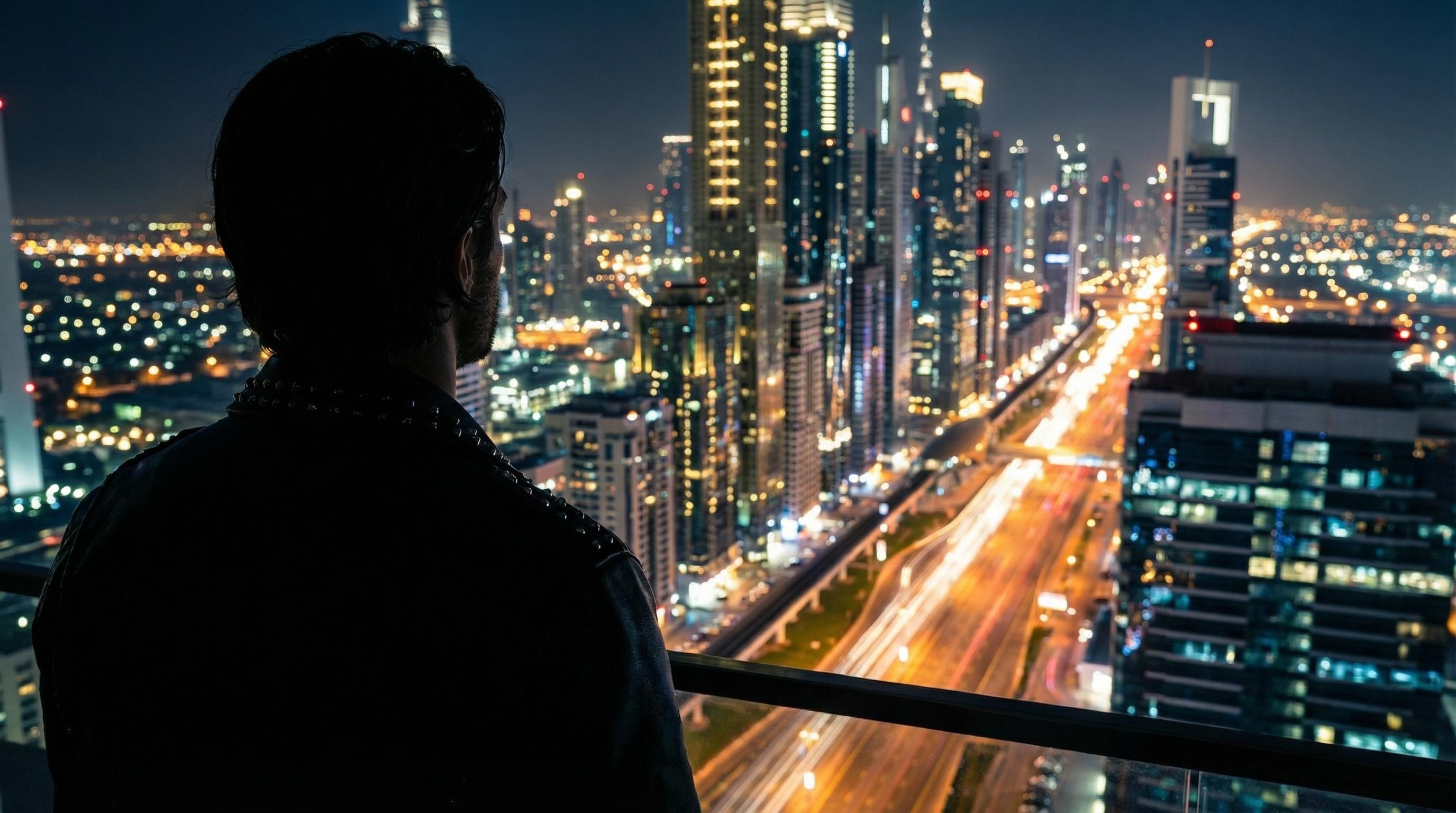
Shot 6: Over-the-Shoulder POV. Both models nailed the compositional intent for this one.
Both models delivered on this prompt more consistently than any other in the set, probably because the compositional logic of an over-the-shoulder cityscape is well-represented in training data. The bokeh city lights came through, the character silhouette framed correctly, and the overall mood matched the aspirational brief. This is the shot type I'd feel most comfortable using in an actual ad campaign iteration loop.
What I Took Away from This
Running all six comparisons, a few patterns became clear. Both models understand cinematic vocabulary at a conceptual level: they respond to terms like "Dutch angle," "hero shot," "close-up," and "over-the-shoulder" with compositionally appropriate outputs. The issue is execution precision at the extremes.
Spatial rotations that require a fundamentally different camera axis (straight overhead being the clearest example) are interpreted rather than executed. You get something in the direction of the intent, not a precise technical recreation. For creative pre-visualization and mood boards, this is usually fine. For exact storyboard replacement, you'd want to iterate with additional specificity in the prompt.
On the model comparison: Nano Banana Pro produces output with higher perceived visual resolution and more cinematic texture at $0.15 per call. Seedream 5 Lite is faster, costs $0.035 per call, and produces output that is cleaner and more stylistically consistent across the shot series. For high-volume ad iteration workflows where you need many variations quickly, Seedream 5 Lite is the better fit. For hero frames and showcase shots where quality per image matters more than volume, Nano Banana Pro has an edge.
Both models are available on Segmind with no setup required. You call the API, pass a reference image and a prompt, and get back a 2K or 3K image in seconds. Try them at Seedream 5 Lite and Nano Banana Pro.
FAQ
Can AI image models generate images from different camera angles?
Yes, with image-to-image models and explicit camera angle directives in the prompt. Models like Seedream 5 Lite and Nano Banana Pro respond to cinematographic framing terms (hero shot, Dutch angle, overhead, close-up) and apply them to a reference input, though execution precision varies by the complexity of the spatial transformation.
Which model is better for ad campaign pre-visualization?
For high-volume iteration at low cost, Seedream 5 Lite ($0.035/image) is the better fit. For hero images where output quality per frame matters more than throughput, Nano Banana Pro ($0.15/image) produces more cinematic texture and perceived resolution.
How do I call these models via the Segmind API?
Both use a standard POST request to https://api.segmind.com/v1/[model-slug] with an x-api-key header. Pass your reference image as a URL in image_input (Seedream 5 Lite) or image_urls (Nano Banana Pro), your prompt, and your desired aspect ratio. Response is binary image data.
Can these models be used for film pre-visualization?
Yes, for mood boards and directorial intent communication. Both models understand cinematic vocabulary like Dutch angles, hero shots, and close-ups. The output works well for pre-viz and storyboard drafts. For exact technical shot planning, you would iterate the prompt with additional specificity.
What is Seedream 5 Lite?
Seedream 5 Lite is Segmind's fast, cost-efficient image-to-image and text-to-image model, available via API at $0.035 per generation. It supports 2K and 3K output, multiple aspect ratios, and handles both creative and commercial generation tasks with strong prompt adherence.
Is Nano Banana Pro free to use?
Nano Banana Pro is a paid model on Segmind at $0.15 per 2K generation. New Segmind accounts receive free credits to get started. Full pricing is at segmind.com/models/nano-banana-pro/pricing.